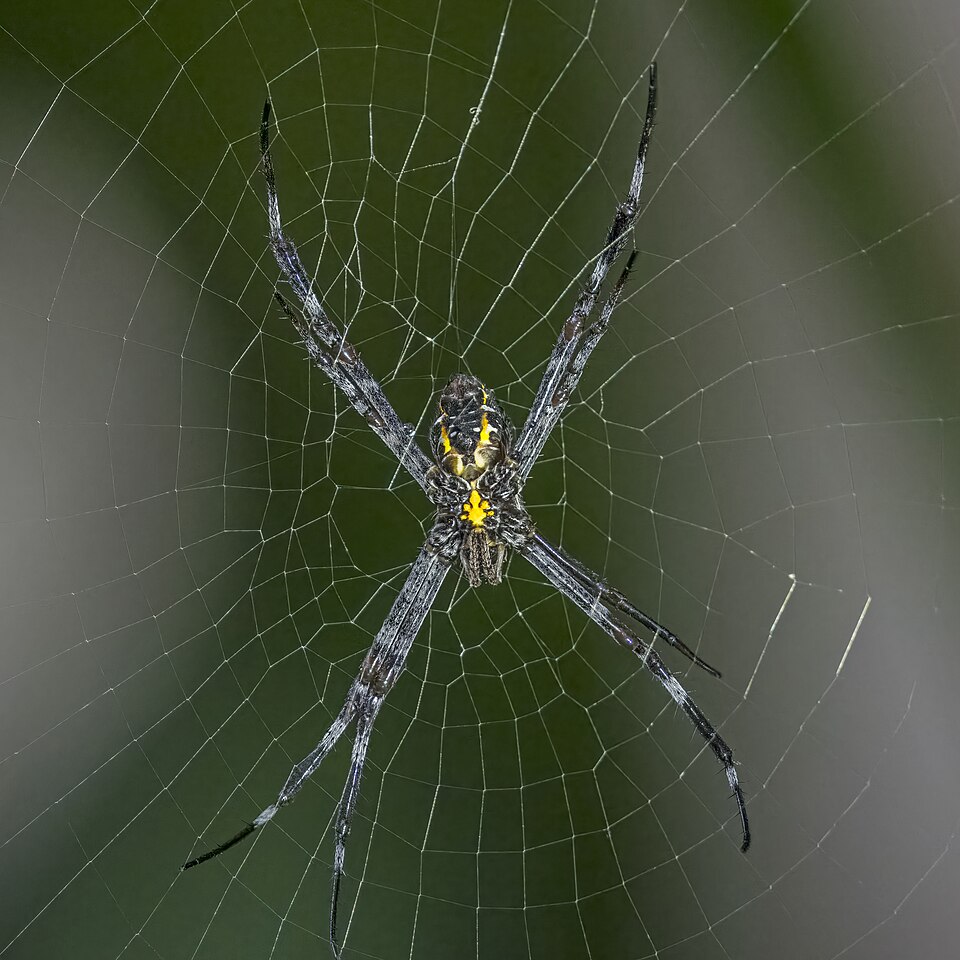
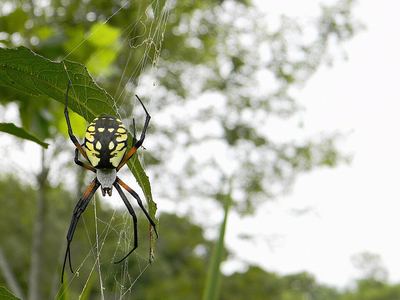
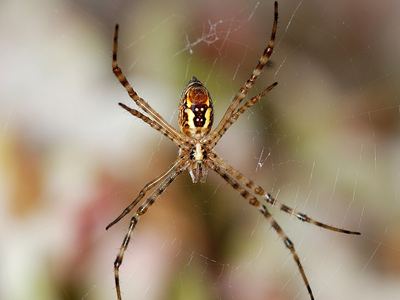
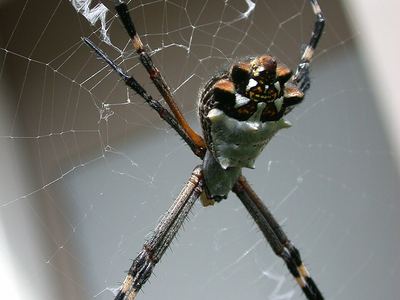
The banana spider (genus Argiope) is a spider in the family Araneidae that is not dangerous to people. Of the 31 orb weavers profiled here, it is listed in fewer states than any other. It is listed in one state only, Hawaii, in the Pacific division. Its observation records peak in March.
Also called: Hawaiian garden spider (English names in GBIF)
Bitten? Call 911 for a venomous snakebite or any bite with trouble breathing. For advice on any bite or sting, call Poison Help at 1-800-222-1222 (free, 24/7, U.S.-wide). Do not cut the wound, suck out venom or use a tourniquet. General information, not medical advice. Do not handle or try to identify a snake or spider by this page; if unsure, treat it as venomous.
Is the banana spider poisonous or venomous?
Not in any medically significant way. Like almost all spiders the banana spider (family Araneidae) has venom for its prey, but it is not a widow or recluse, the two U.S. groups whose bites need medical attention.
Source: GBIF, read 2026-11-05. A state is listed once GBIF holds at least 10 records of the species there under any license; Records counts only CC0 and CC BY records, so a listed state can show fewer.
When is the banana spider seen?
Its observation records run through most of the year. December to February still holds 34% of them.
How recent are the banana spider records?
2023median record year
90%dated records from 2017–2026
1989oldest dated record
2023busiest year, 77 records
Decade
Records
Share
1980s
1
0.2%
2000s
8
1.8%
2010s
109
24.1%
2020s
334
73.9%
Source: GBIF licensed U.S. records with a year, read 2026-11-05.
A species is listed for a state once GBIF holds at least 10 records of it located inside the state by coordinates, under any license. Every count, share, month and county shown is computed only from records published under CC0 or CC BY, so a listed species can show few or no counted records. Monthly patterns show when people record spiders, which also reflects when people are outdoors. Venomous status follows taxonomy: pit vipers and coral snakes; widow and recluse spiders; the Arizona bark scorpion. Records filed under older names count for the species they belong to today. Full methodology.