Sonoran whipsnake (Masticophis bilineatus)
The Sonoran whipsnake (genus Masticophis) is a non-venomous snake in the family Colubridae. Among the seven racers, whipsnakes and indigo snakes profiled here, it ranks 6th by number of states listed. All 2 states where it is listed lie in the Mountain division: Arizona and New Mexico. Its observation records peak in August.
Also called: ajo mountain whipsnake (English names in GBIF). Also spelled: Sonoran whip snake, ajo mountain whip snake
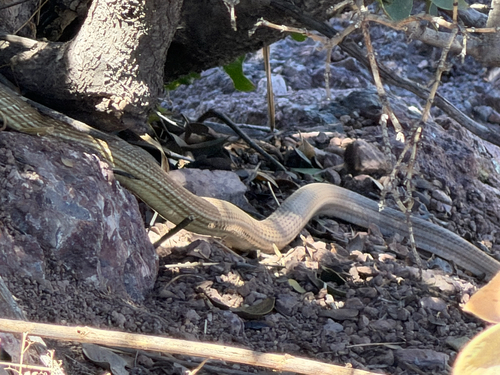
Is the Sonoran whipsnake poisonous or venomous?
No. The Sonoran whipsnake is non-venomous: it belongs to the family Colubridae, not to the pit vipers or coral snakes, the only U.S. land snakes with medically dangerous venom. It may bite if handled; clean the bite like any small wound.
Which states have the Sonoran whipsnake?
Arizona alone holds 97% of its licensed U.S. records.
The count includes 94 records filed under the older name Coluber bilineatus in Arizona (90) and New Mexico (4).
| # | State | Records | Share of state snakes | Rank in state |
|---|---|---|---|---|
| 1 | Arizona | 553 | 2.7% | 13th of 60 |
| 2 | New Mexico | 18 | 0.3% | 37th of 56 |
When is the Sonoran whipsnake seen?
Its observation records run mostly April through September.
How recent are the Sonoran whipsnake records?
| Decade | Records | Share |
|---|---|---|
| 1890s | 7 | 2.1% |
| 1910s | 6 | 1.8% |
| 1920s | 25 | 7.4% |
| 1930s | 14 | 4.1% |
| 1940s | 10 | 2.9% |
| 1950s | 17 | 5.0% |
| 1960s | 33 | 9.7% |
| 1970s | 39 | 11.5% |
| 1980s | 33 | 9.7% |
| 1990s | 32 | 9.4% |
| 2000s | 34 | 10.0% |
| 2010s | 27 | 8.0% |
| 2020s | 62 | 18.3% |
Species recorded in the same counties
| Species | Shared counties |
|---|---|
| Black-tailed rattlesnake venomous | 13 |
| Glossy snake | 13 |
| Gopher snake | 13 |
| Ring-necked snake | 13 |
| Blackneck garter snake | 12 |
| Long-nosed snake | 12 |
| Mohave rattlesnake venomous | 12 |
| Prairie rattlesnake venomous | 12 |
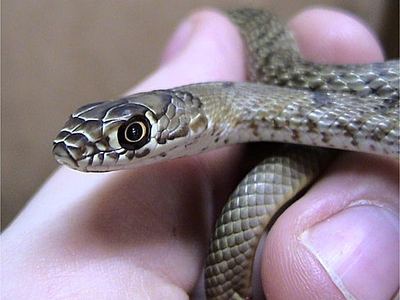
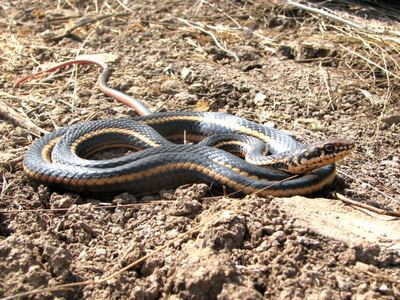
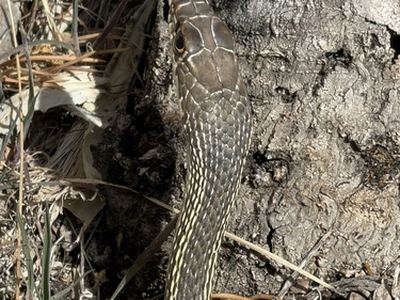
Related species in the U.S.
GBIF records read 2026-11-05 (open these records on GBIF). Listed: any license. Counted: CC0/CC BY only. How we count.