Tarantulas in the United States
A tarantula spider is any spider of the family Theraphosidae. 25 tarantula species are on the lists of 12 of the 50 states; the most widespread is the Texas brown tarantula, listed in 8.
Are tarantulas venomous?
Are tarantulas poisonous? Not in any medically significant way. Are tarantulas venomous? Yes, to their prey, like almost all spiders. In the U.S. only widow and recluse spiders have bites that need medical attention.
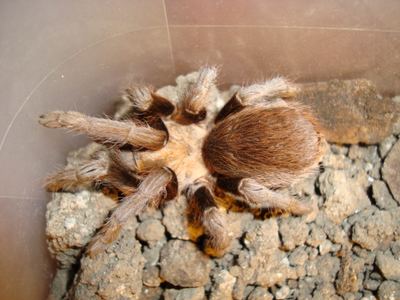
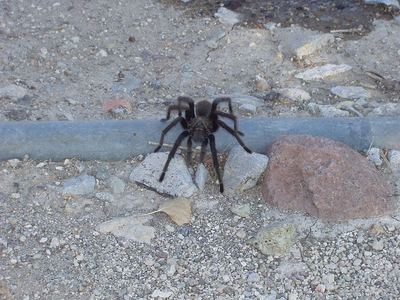
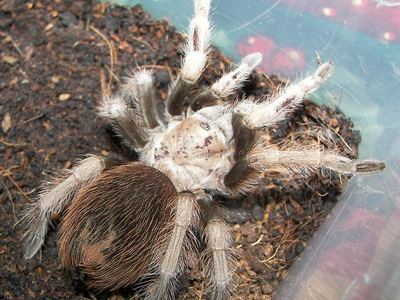
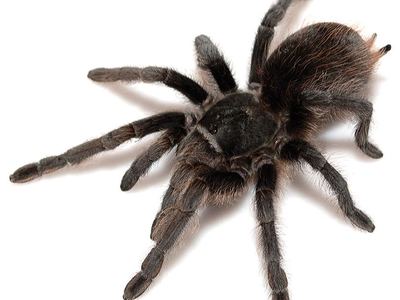
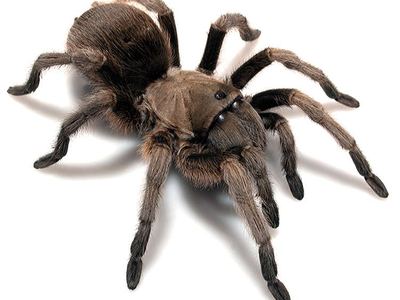
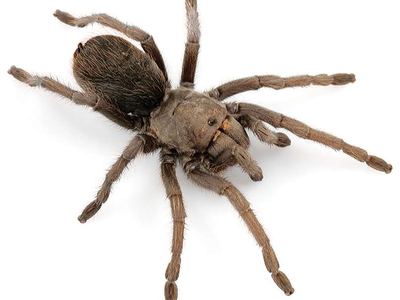
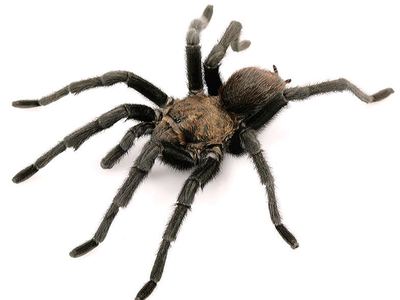
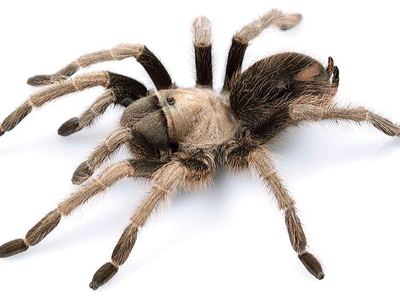
Tarantula spiders with photos
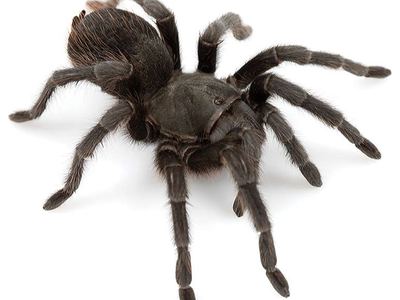
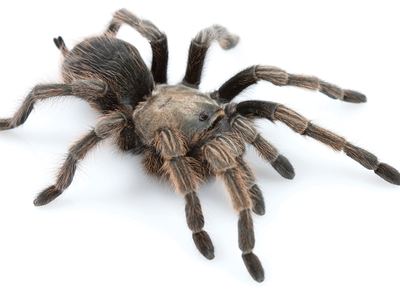
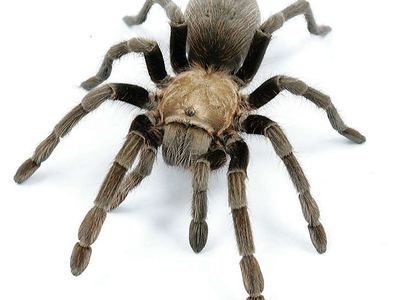
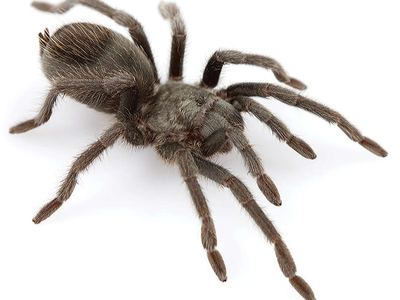
Profile pages: 3 of the 25 species. Cards without a link: species with too few U.S. records for a profile; a card without its own photo shows one of its genus.
Which states have tarantulas?
Species by census division: Mountain 15, Pacific 8, West South Central 6, West North Central 1, East North Central 0, East South Central 0, Middle Atlantic 0, New England 0, South Atlantic 0.
On one state list only: 19 species, among them the Texas tan tarantula (Texas), the California ebony tarantula (California), the Pecos brown (California) and the Johnny Cash tarantula (California).
No tarantula species reaches the listing threshold (10 GBIF records inside the state) in Alabama, Alaska, Connecticut, Delaware, Florida, Georgia, Hawaii, Idaho, Illinois, Indiana, Iowa, Kentucky, Maine, Maryland, Massachusetts, Michigan, Minnesota, Mississippi, Montana, Nebraska, New Hampshire, New Jersey, New York, North Carolina, North Dakota, Ohio, Oregon, Pennsylvania, Rhode Island, South Carolina, South Dakota, Tennessee, Vermont, Virginia, Washington, West Virginia, Wisconsin and Wyoming.
| # | State | Species | Most recorded there | Licensed records |
|---|---|---|---|---|
| 1 | Arizona | 12 | Desert blond tarantula | 487 |
| 2 | California | 8 | Bay Area blonde | 613 |
| 3 | New Mexico | 6 | Texas brown tarantula | 111 |
| 3 | Texas | 6 | Texas brown tarantula | 528 |
| 5 | Colorado | 2 | Texas brown tarantula | 105 |
| 5 | Nevada | 2 | Bay Area blonde | 29 |
| 5 | Utah | 2 | Bay Area blonde | 65 |
| 8 | Arkansas | 1 | Texas brown tarantula | 13 |
| 8 | Kansas | 1 | Texas brown tarantula | 8 |
| 8 | Louisiana | 1 | Texas brown tarantula | 5 |
| 8 | Missouri | 1 | Texas brown tarantula | 31 |
| 8 | Oklahoma | 1 | Texas brown tarantula | 77 |
When are tarantulas seen?
Observation records of tarantulas nationwide run mostly April through November, peaking in September with 20% of them. Steepest rise: March to April.
Records follow people as well as animals: fewer people are outdoors in winter.
| Jan | Feb | Mar | Apr | May | Jun | Jul | Aug | Sep | Oct | Nov | Dec |
|---|---|---|---|---|---|---|---|---|---|---|---|
| 1% | 1% | 1% | 6% | 8% | 9% | 14% | 16% | 20% | 16% | 6% | 2% |
All 25 tarantula species on U.S. state lists
| Species | Scientific name | Also called | States | Most records in | Licensed records |
|---|---|---|---|---|---|
| Texas brown tarantula | Aphonopelma hentzi | chocolate brown tarantula, Oklahoma brown tarantula | 8 | Texas | 625 |
| Bay Area blonde | Aphonopelma iodius | desert tarantula | 4 | California | 468 |
| Arizona black | Aphonopelma marxi | Grand Canyon black tarantula | 4 | Arizona | 49 |
| Chiricahuan gray tarantula | Aphonopelma gabeli | Chiricahuan grey tarantula | 3 | Texas | 50 |
| Rodeo black | Aphonopelma vorhiesi | tucson bronze tarantula | 3 | Arizona | 49 |
| Desert blond tarantula | Aphonopelma chalcodes | Arizona blonde tarantula, desert blonde tarantula, Mexican blond tarantula | 2 | Arizona | 398 |
| Texas tan tarantula | Aphonopelma anax | 1 | Texas | 138 | |
| California ebony tarantula | Aphonopelma eutylenum | 1 | California | 103 | |
| Pecos brown | Aphonopelma steindachneri | Steindachner's ebony tarantula | 1 | California | 86 |
| Johnny Cash tarantula | Aphonopelma johnnycashi | 1 | California | 36 | |
| Texas black spot tarantula | Aphonopelma armada | 1 | Texas | 29 | |
| Mojave dwarf tarantula | Aphonopelma mojave | 1 | California | 7 | |
| Rio Grande gold tarantula | Aphonopelma moderatum | 1 | Texas | 5 | |
| Aphonopelma icenoglei | Aphonopelma icenoglei | 1 | California | 4 | |
| Madera Canyon tarantula | Aphonopelma madera | madrean tarantula | 1 | Arizona | 4 |
| Paloma dwarf tarantula | Aphonopelma paloma | 1 | Arizona | 4 | |
| Chiricahua tarantula | Aphonopelma chiricahua | 1 | Arizona | 3 | |
| Peloncillo tarantula | Aphonopelma peloncillo | 1 | New Mexico | 3 | |
| Santa Catalina Mountain tarantula | Aphonopelma catalina | 1 | Arizona | 3 | |
| Superstition Mountains tarantula | Aphonopelma superstitionense | 1 | Arizona | 3 | |
| Aphonopelma saguaro | Aphonopelma saguaro | 1 | Arizona | 2 | |
| Cahuilla ebony tarantula | Aphonopelma xwalxwal | 1 | California | 2 | |
| Aphonopelma joshua | Aphonopelma joshua | 1 | California | 1 | |
| Aphonopelma mareki | Aphonopelma mareki | 1 | Arizona | 0 | |
| Aphonopelma prenticei | Aphonopelma prenticei | 1 | Nevada | 0 |
Related pages
GBIF records read 2026-11-05 (open these records on GBIF). Listed: any license. Counted: CC0/CC BY only. How we count.