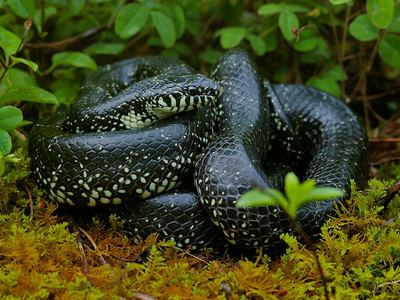
California mountain kingsnake (Lampropeltis zonata)
The California mountain kingsnake (genus Lampropeltis) is a non-venomous snake in the family Colubridae. Of the nine kingsnakes and milksnakes profiled here, it is listed in fewer states than any other. All 3 states where it is listed lie in the Pacific division: California, Oregon and Washington. Its observation records peak in May.
Also spelled: California mountain king snake
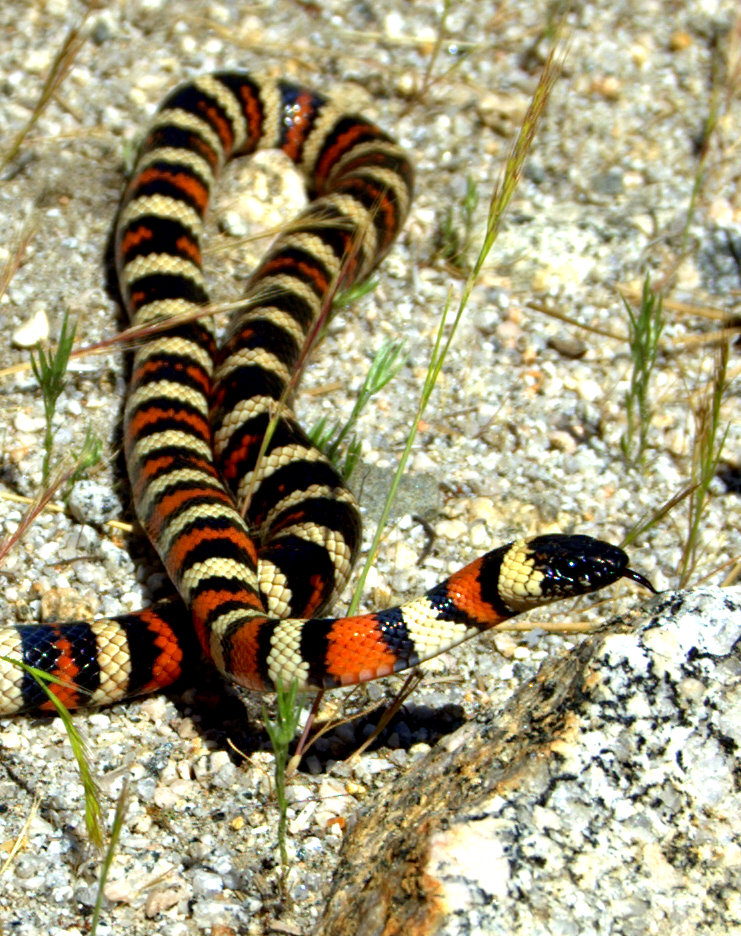

The California mountain kingsnake (Lampropeltis zonata) is a species of nonvenomous colubrid snake that is endemic to North America. It is a coral snake mimic, having a similar pattern consisting of red, black, and yellow on its body, but the snake is completely harmless. Seven subspecies are recognized, with five found in the U.S., including the nominotypical subspecies, and two in Mexico.
From Wikipedia: California mountain kingsnake, text under CC BY-SA 4.0.
Is the California mountain kingsnake poisonous or venomous?
No. The California mountain kingsnake is non-venomous: it belongs to the family Colubridae, not to the pit vipers or coral snakes, the only U.S. land snakes with medically dangerous venom. It may bite if handled; clean the bite like any small wound.
Often mistaken for
The California mountain kingsnake is non-venomous, but people often take it for coral snakes (both are recorded in 0 of its 3 states).
Which states have the California mountain kingsnake?
California alone holds 96% of its licensed U.S. records.
The count includes 7 records filed under the older name Lampropeltis zonata in California.
| # | State | Records | Share of state snakes | Rank in state |
|---|---|---|---|---|
| 1 | California | 536 | 0.7% | 23rd of 46 |
| 2 | Oregon | 15 | 0.2% | 13th of 16 |
| 3 | Washington | 9 | 0.2% | 9th of 11 |
When is the California mountain kingsnake seen?
Its observation records run mostly April through September.
How recent are the California mountain kingsnake records?
| Decade | Records | Share |
|---|---|---|
| 1870s | 2 | 0.4% |
| 1890s | 10 | 1.9% |
| 1900s | 14 | 2.7% |
| 1910s | 14 | 2.7% |
| 1920s | 16 | 3.0% |
| 1930s | 75 | 14.2% |
| 1940s | 36 | 6.8% |
| 1950s | 54 | 10.2% |
| 1960s | 37 | 7.0% |
| 1970s | 33 | 6.3% |
| 1980s | 33 | 6.3% |
| 1990s | 68 | 12.9% |
| 2000s | 25 | 4.7% |
| 2010s | 42 | 8.0% |
| 2020s | 68 | 12.9% |
Species recorded in the same counties
| Species | Shared counties |
|---|---|
| California kingsnake | 16 |
| Gopher snake | 15 |
| Western rattlesnake venomous | 15 |
| Coast nightsnake | 9 |
| Northern rubber boa | 8 |
| Striped racer | 8 |
| Two-striped garter snake | 8 |
| Glossy snake | 7 |
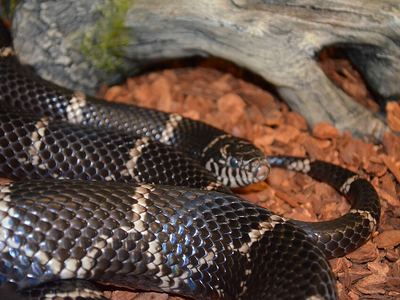
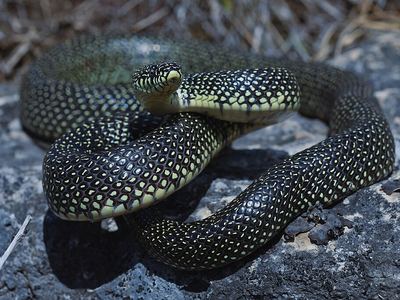
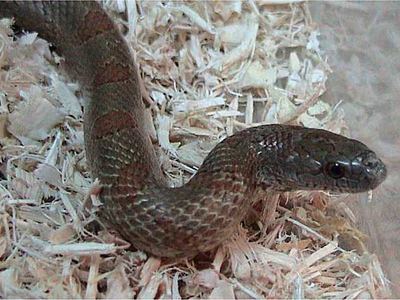
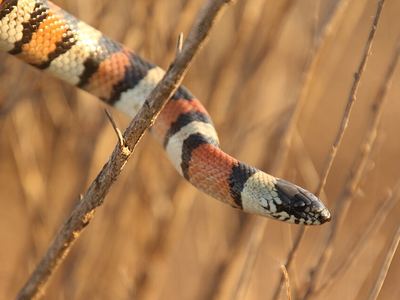
Related species in the U.S.
GBIF records read 2026-11-05 (open these records on GBIF). Listed: any license. Counted: CC0/CC BY only. How we count.