Venomous snakes and spiders in Maine
No venomous snake species reaches our listing threshold in Maine: none of the 9 snake species listed there is venomous to people, from 903 licensed records. The timber rattlesnake is recorded there too, but only three times (records of any license), too few to list; sensitive species can be withheld from open records. Treat any snake that looks like a rattlesnake as venomous. No widow or recluse spider reaches the listing threshold in Maine. GBIF holds 2 widow or recluse records of any license in Maine (western black widow 2), fewer than 10 of any one species; such records can be genuine rarities, strays, transported animals or misidentifications. Treat any spider that looks like a widow as venomous.
Are there venomous snakes in Maine?
Not on the Maine list: the timber rattlesnake is recorded there only three times (records of any license), too few to list. Sensitive species can be withheld from open records. Treat any snake that looks like a rattlesnake as venomous.
Also recorded in Maine under any license, but fewer than 10 times and so not counted above: the timber rattlesnake (3). Such records can be genuine rarities, strays or old misidentifications; see the rare list.
Dangerous spiders of Maine
No widow or recluse spider reaches the Maine list, which needs 10 GBIF records of a species, out of 976 licensed spider records in all. GBIF holds 2 widow or recluse records of any license in Maine (western black widow 2), fewer than 10 of any one species; such records can be genuine rarities, strays, transported animals or misidentifications. Treat any spider that looks like a widow as venomous.
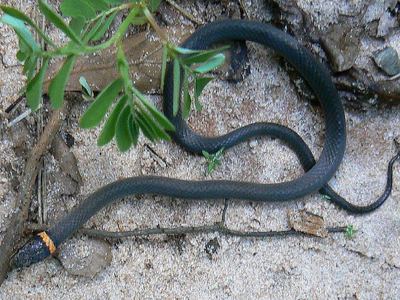
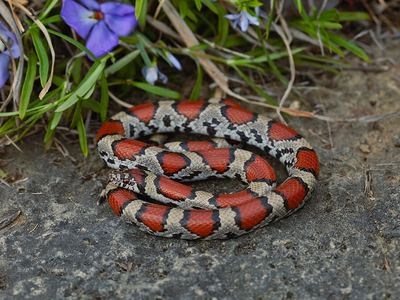
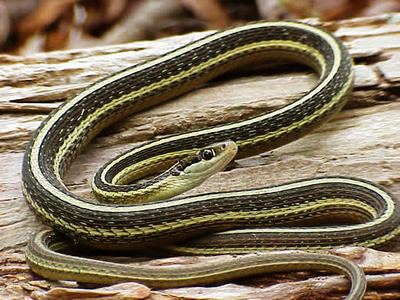
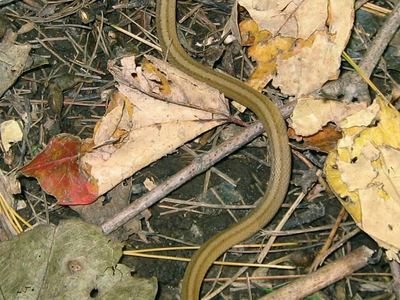
Other snakes recorded most in Maine
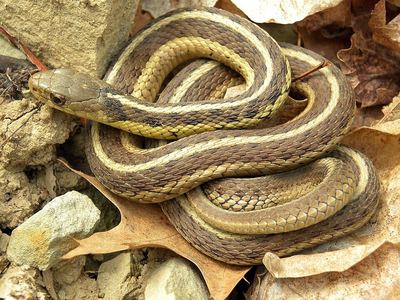
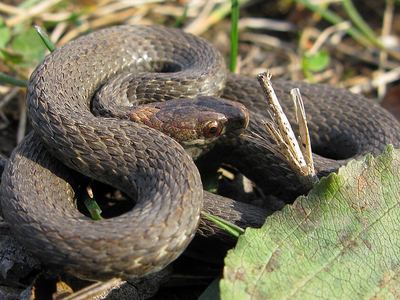
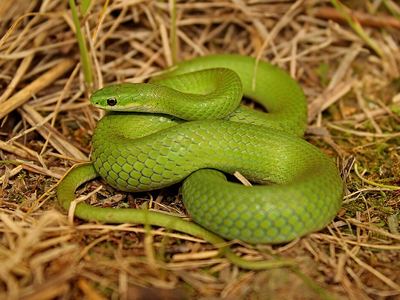
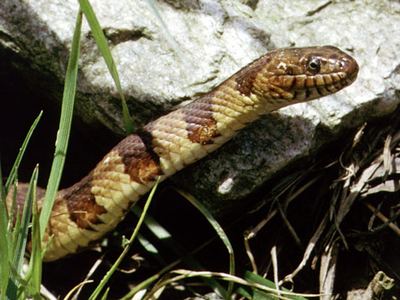
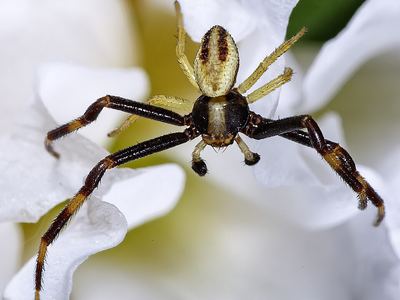
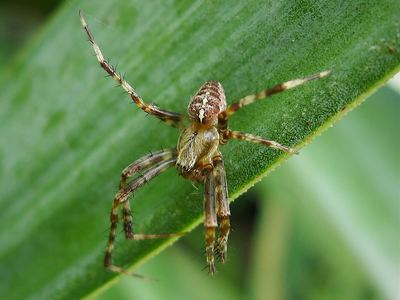
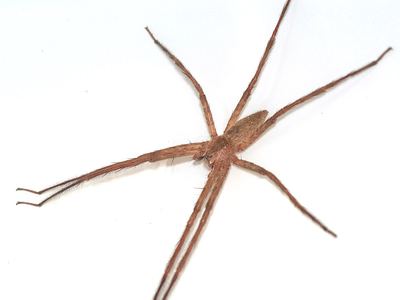
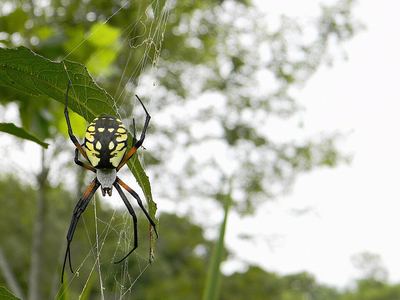
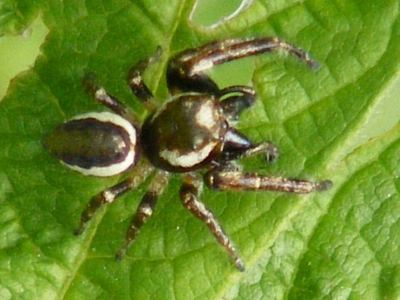
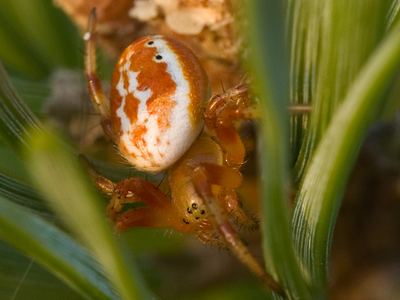
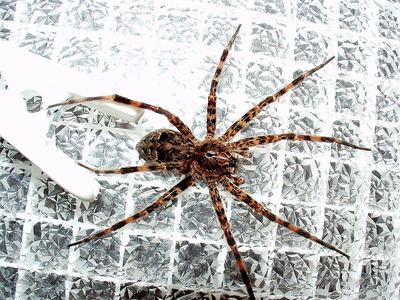
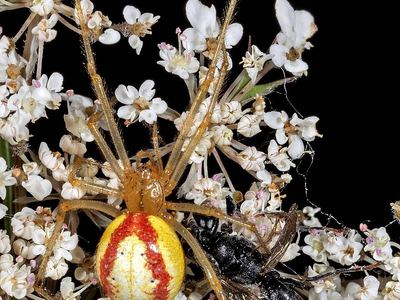
Other spiders recorded most in Maine
When are snakes out in Maine?
Observation records of snakes in Maine run mostly May through October, peaking in June with 21% of them.
When spiders are most active in Maine
Observation records of spiders in Maine run mostly May through October, peaking in July with 25% of them.
Where in Maine are snakes recorded most?
Hancock County leads, ahead of Penobscot County and Cumberland County; the top five hold 51%.
| # | County | Records | Share |
|---|---|---|---|
| 1 | Hancock County | 167 | 18.5% |
| 2 | Penobscot County | 82 | 9.1% |
| 3 | Cumberland County | 78 | 8.6% |
| 4 | Franklin County | 69 | 7.6% |
| 5 | Somerset County | 67 | 7.4% |
| 6 | Lincoln County | 66 | 7.3% |
| 7 | Oxford County | 60 | 6.6% |
| 8 | York County | 52 | 5.8% |
| 9 | Kennebec County | 49 | 5.4% |
| 10 | Waldo County | 46 | 5.1% |
| 11 | Washington County | 44 | 4.9% |
| 12 | Piscataquis County | 42 | 4.7% |
Harmless lookalikes in Maine
Many snakes and spiders taken for venomous ones are harmless species with a similar look. These are the usual confusions, with each species' licensed records in Maine.
What looks like a copperhead in Maine
No copperheads reach the Maine list, and GBIF holds no copperhead record for Maine under any license, so a snake taken for one here is most likely a harmless lookalike. Those recorded in the state: northern water snake (48) and eastern milksnake (47).
What looks like a cottonmouth in Maine
No cottonmouths reach the Maine list, and GBIF holds no cottonmouth record for Maine under any license, so a snake taken for one here is most likely a harmless lookalike. Those recorded in the state: northern water snake (48).
What looks like a rattlesnake in Maine
Rattlesnakes are not on the Maine list, but they are recorded in Maine three times (records of any license: timber rattlesnake 3): treat any snake like this as venomous until identified.
What looks like a coral snake in Maine
No coral snakes reach the Maine list, and GBIF holds no coral snake record for Maine under any license, so a snake taken for one here is most likely a harmless lookalike. Those recorded in the state: eastern milksnake (47).
What looks like a widow spider in Maine
Widow spiders are not on the Maine list, but they are recorded in Maine two times (records of any license: western black widow 2): treat any spider like this as venomous until identified. Harmless species often taken for them in the state: common house spider (2), boreal combfoot (1) and twospotted cobweb spider (on record).
What looks like a recluse spider in Maine
No recluse spiders reach the Maine list, and GBIF holds no recluse spider record for Maine under any license, so a spider taken for one here is most likely a harmless lookalike. Those recorded in the state: longbodied cellar spider (11).
How Maine compares
Maine is one of five states with no venomous snake on the list; the others are Alaska, Hawaii, New Hampshire and Rhode Island. GBIF still holds a few venomous snake records for three of them, too few to list: Hawaii (pelagic sea snake: 5 records), Maine (timber rattlesnake: 3 records) and New Hampshire (timber rattlesnake: 2 records). Maine, New Hampshire and Rhode Island lie in the range of the timber rattlesnake, a protected species whose records can be withheld from open data, so treat any snake that looks like a rattlesnake as venomous there. At the other end, Arizona leads with 14 species.
Maine lists as many venomous snake species as the state it borders (Maine: 0 species; New Hampshire 0).
Every venomous snake listed in a neighboring state is also on the Maine list.
Are there poisonous spiders in Maine?
Does Maine have black widows?
Not on our list: GBIF holds 2 widow spider records of any license in Maine (western black widow 2), fewer than 10 of any one species; such records can be genuine rarities, strays, transported animals or misidentifications. Treat any spider that looks like a widow as venomous.
Does Maine have brown recluse spiders?
No. GBIF holds no brown recluse record for Maine under any license.
Are there scorpions in Maine?
No. GBIF holds no scorpion record for Maine under any license. The Arizona bark scorpion, the one U.S. scorpion with a medically significant sting, is not on the Maine list.
Every scorpion has venom.
More for Maine
GBIF records read 2026-11-05 (open these records on GBIF). Listed: any license. Counted: CC0/CC BY only. How we count.