Snakes and spiders in Marshall County, Kansas
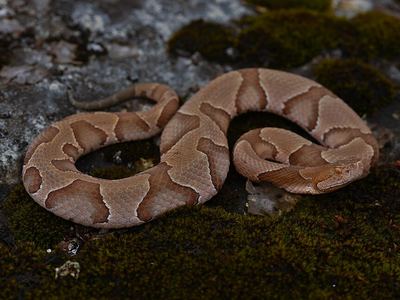
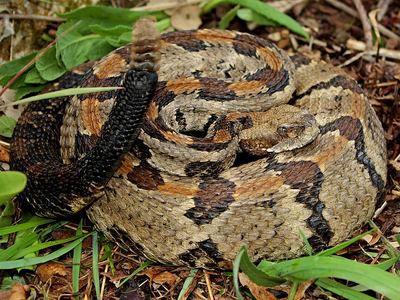
Marshall County, home of Marysville, has 9 snake and 0 spider species on record, from 306 licensed snake and 7 spider records. Venomous species here: the eastern copperhead and the timber rattlesnake.
Are there venomous snakes or spiders in Marshall County?
Yes. The eastern copperhead: 70 licensed records, 11% of all Kansas records of it. The timber rattlesnake: 26 licensed records, 15% of all Kansas records of it.
What snakes are in Marshall County?
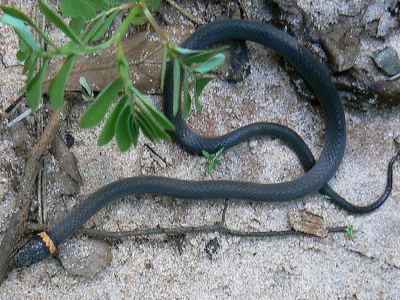
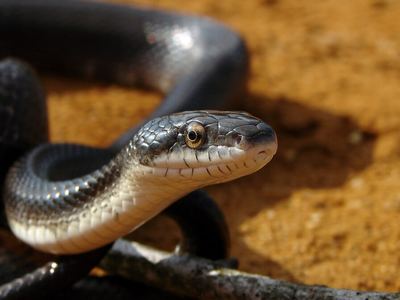
In all, 9 snake species are on the Marshall County list. The most recorded are the ring-necked snake (95), the eastern copperhead (70) and the western rat snake (37).
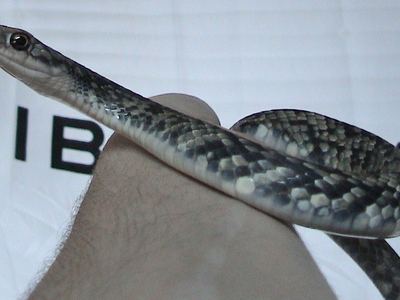
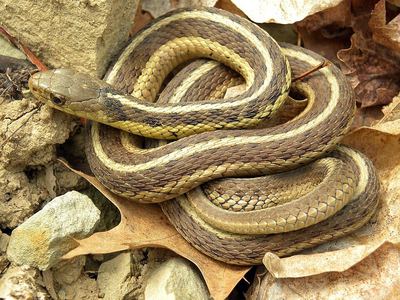
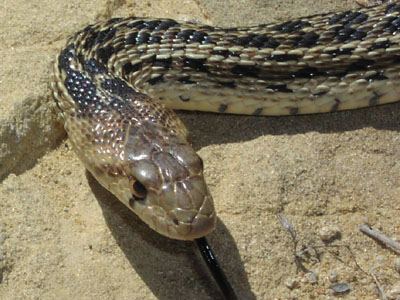
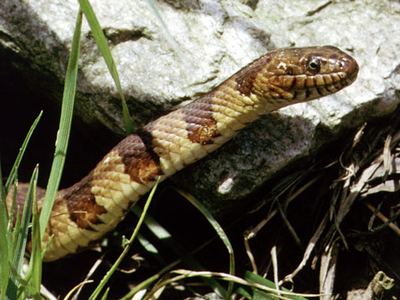
| # | Species | Records | Share of Kansas records |
|---|---|---|---|
| 1 | Ring-necked snake Diadophis punctatus | 95 | 4% |
| 2 | Eastern copperhead venomous Agkistrodon contortrix | 70 | 11% |
| 3 | Western rat snake Pantherophis obsoletus | 37 | 8% |
| 4 | Timber rattlesnake venomous Crotalus horridus | 26 | 15% |
| 5 | Eastern racer Coluber constrictor | 17 | 2% |
| 6 | Common garter snake Thamnophis sirtalis | 14 | 2% |
| 7 | Gopher snake Pituophis catenifer | 12 | 2% |
| 8 | Northern water snake Nerodia sipedon | 8 | 1% |
| 9 | DeKay's brown snake Storeria dekayi | 6 | 2% |
When are snakes out in Marshall County?
Observation records of snakes in Marshall County run mostly April through October, peaking in September with 38% of them; across Kansas the peak is May.
Common in Kansas, not on the Marshall County list
Among the snakes most recorded across Kansas, these do not reach the county list: the flathead snake (809 statewide), the plains garter snake (562 statewide), the western massasauga (490 statewide), the lined snake (480 statewide) and the prairie rattlesnake (347 statewide). Few records here can mean the species is rare in the county, or that few people have looked.
Harmless lookalikes in Marshall County
Copperheads are on the county list, and so are harmless species often taken for them: the northern water snake. No cottonmouths reach the county list, but the northern cottonmouth is on the Kansas list: treat any snake like it as venomous until identified. Harmless species often taken for them here: the northern water snake. Rattlesnakes are on the county list, and so are harmless species often taken for them: the gopher snake.
Marshall County among Kansas counties
By licensed snake records Marshall County ranks 11th of 105 Kansas counties with any.
Other Kansas counties with their own page: Cowley County, Douglas County, Chase County, Ellis County, Russell County, Cherokee County, Riley County and Barber County.
The whole state: venomous species in Kansas, all snakes, all spiders.
GBIF records read 2026-09-29. Listed: any license. Counted: CC0/CC BY only. How we count.