Snakes and spiders in Plymouth County, Massachusetts
Plymouth County, home of Plymouth, has 9 snake and 40 spider species on record, from 133 licensed snake and 358 spider records. No venomous snake or spider reaches the county list, but the timber rattlesnake, the eastern copperhead and the northern black widow are on the Massachusetts list: treat any snake or spider like them as venomous until identified.
What snakes are in Plymouth County?
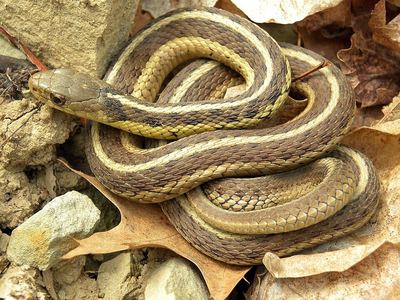
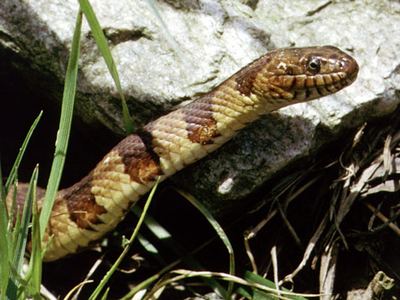
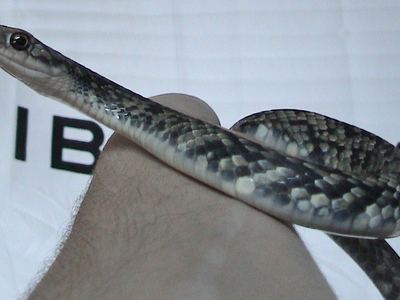
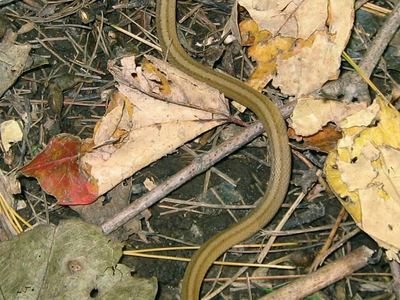
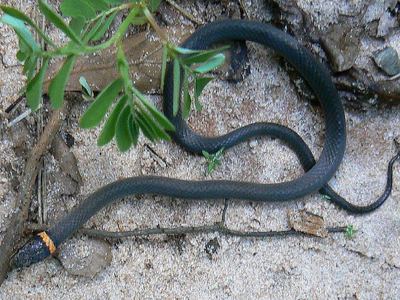
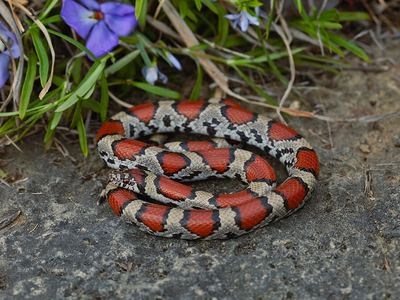
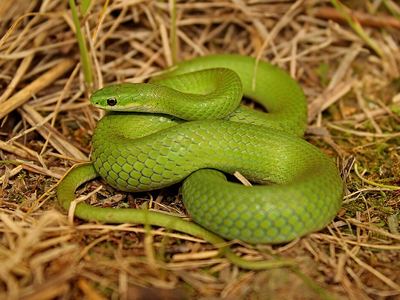
In all, 9 snake species are on the Plymouth County list. The most recorded are the common garter snake (63), the northern water snake (23) and the eastern racer (13).
| # | Species | Records | Share of Massachusetts records |
|---|---|---|---|
| 1 | Common garter snake Thamnophis sirtalis | 63 | 6% |
| 2 | Northern water snake Nerodia sipedon | 23 | 7% |
| 3 | Eastern racer Coluber constrictor | 13 | 20% |
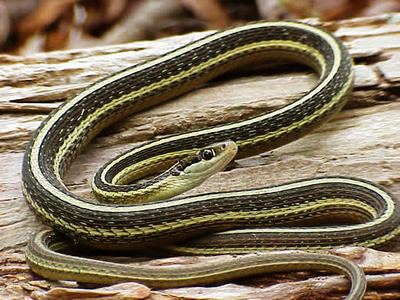
| 4 | Eastern ribbonsnake Thamnophis saurita | 10 | 14% |
| 5 | DeKay's brown snake Storeria dekayi | 9 | 10% |
| 6 | Ring-necked snake Diadophis punctatus | 7 | 7% |
| 7 | Eastern milksnake Lampropeltis triangulum | 4 | 3% |
| 8 | Smooth green snake Opheodrys vernalis | 3 | 7% |
| 9 | Eastern hog-nosed snake Heterodon platirhinos | — | — |
When are snakes out in Plymouth County?
Observation records of snakes in Plymouth County run mostly April through October, peaking in May with 29% of them, the same peak as Massachusetts as a whole.
What spiders are in Plymouth County?
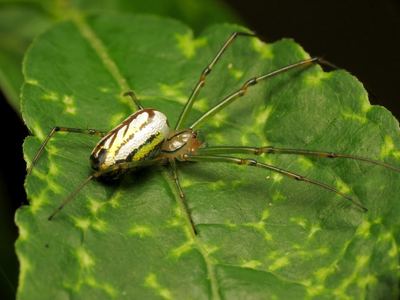
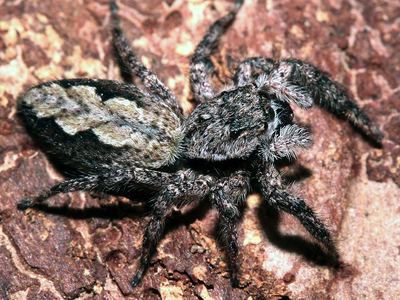
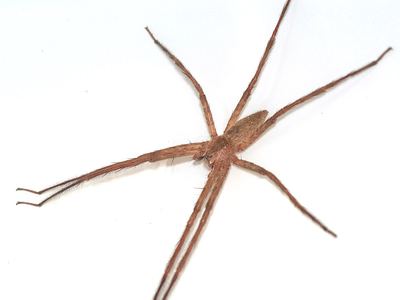
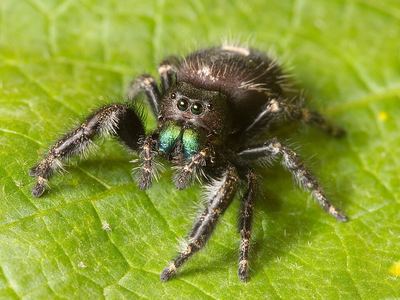
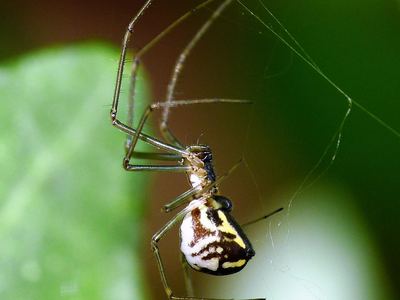
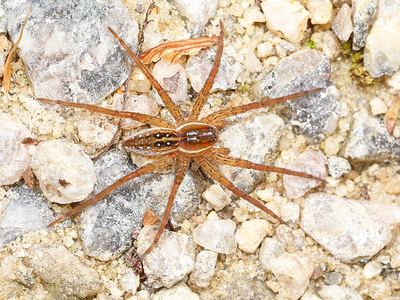
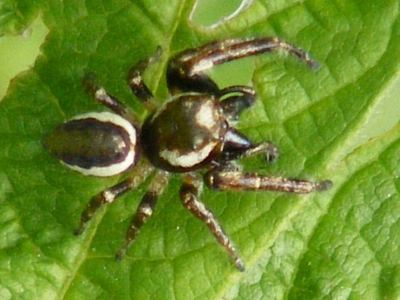
In all, 40 spider species are on the Plymouth County list. The most recorded are the orchard orbweaver (65), the familiar jumping spider (28) and the nursery web spider (23).
| # | Species | Records | Share of Massachusetts records |
|---|---|---|---|
| 1 | Orchard orbweaver Leucauge venusta | 65 | 21% |
| 2 | Familiar jumping spider Platycryptus undatus | 28 | 11% |
| 3 | Nursery web spider Pisaurina mira | 23 | 8% |
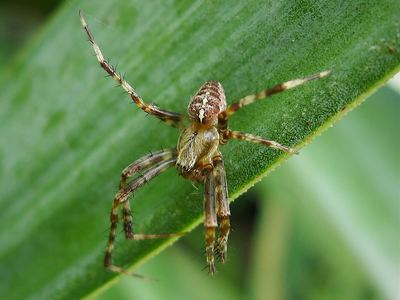
| 4 | Garden spider Araneus diadematus | 17 | 13% |
| 5 | Bold jumper Phidippus audax | 13 | 6% |
| 6 | Filmy dome spider Neriene radiata | 13 | 14% |
| 7 | Sixspotted fishing spider Dolomedes triton | 11 | 17% |
| 8 | Bronze jumper Eris militaris | 10 | 14% |
| 9 | Shoreline wolf spider Arctosa littoralis | 8 | 18% |
| 10 | Zebra spider Salticus scenicus | 8 | 9% |
| 11 | Flea jumping spider Naphrys pulex | 7 | 8% |
| 12 | Rabid wolf spider Rabidosa rabida | 7 | 16% |
| 13 | Brilliant jumping spider Phidippus clarus | 6 | 17% |
| 14 | Dimorphic jumper Maevia inclemens | 6 | 6% |
| 15 | Parson spider Herpyllus ecclesiasticus | 6 | 9% |
| 16 | Black-and-yellow argiope Argiope aurantia | 5 | 5% |
| 17 | Grayish jumping spider Phidippus princeps | 5 | 8% |
| 18 | Dysdera crocata | 4 | 7% |
| 19 | Marbled orbweaver Araneus marmoreus | 4 | 11% |
| 20 | Paraphidippus aurantius | 4 | 12% |
| 21 | Spotted orbweaver Neoscona crucifera | 4 | 8% |
| 22 | Variegated ground spider Sergiolus capulatus | 4 | 24% |
| 23 | Whitebanded crab spider Misumenoides formosipes | 4 | 6% |
| 24 | Arrowshaped micrathena Micrathena sagittata | 3 | 12% |
| 25 | Dotted wolf spider Rabidosa punctulata | 3 | 25% |
| 26 | Drumming sword wolf spider Gladicosa gulosa | 3 | 3% |
| 27 | Triangulate bud spider Steatoda triangulosa | 3 | 4% |
| 28 | White-jawed jumping spider Hentzia mitrata | 3 | 10% |
| 29 | American green crab spider Misumessus oblongus | 2 | 7% |
| 30 | Banded garden spider Argiope trifasciata | 2 | 3% |
| 31 | Furrow orbweaver Larinioides cornutus | 2 | 14% |
| 32 | Giant lichen orbweaver Araneus bicentenarius | 2 | 6% |
| 33 | Striped lynx spider Oxyopes salticus | 2 | 12% |
| 34 | Dark fishing spider Dolomedes tenebrosus | 1 | 2% |
| 35 | Longbodied cellar spider Pholcus phalangioides | 1 | 3% |
| 36 | Stone spider Pardosa lapidicina | 1 | 10% |
| 37 | Wetland giant wolf spider Tigrosa helluo | 1 | 4% |
| 38 | Big-eyed thick long-jawed spider Pachygnatha autumnalis | — | — |
| 39 | Sixspotted orbweaver Araniella displicata | — | — |
| 40 | Spined micrathena Micrathena gracilis | — | — |
When are spiders out in Plymouth County?
Observation records of spiders in Plymouth County run mostly April through October, peaking in May with 21% of them; across Massachusetts the peak is September.
What stands out in Plymouth County
Species for which Plymouth County holds a large share of all Massachusetts records: the orchard orbweaver, 21% (65 of 304); the eastern racer, 20% (13 of 65); the sixspotted fishing spider, 17% (11 of 65).
Common in Massachusetts, not on the Plymouth County list
Among the snakes most recorded across Massachusetts, these do not reach the county list: the red-bellied snake (34 statewide), the timber rattlesnake (14 statewide) and the eastern copperhead (12 statewide). Few records here can mean the species is rare in the county, or that few people have looked.
Among the spiders most recorded across Massachusetts, these do not reach the county list: the northern black widow (350 statewide). Few records here can mean the species is rare in the county, or that few people have looked.
Harmless lookalikes in Plymouth County
No copperheads reach the county list, but the eastern copperhead is on the Massachusetts list: treat any snake like it as venomous until identified. Harmless species often taken for them here: the northern water snake, the eastern milksnake and the eastern hog-nosed snake. Cottonmouths are not on the Massachusetts list, but GBIF holds 2 cottonmouth records of any license in Massachusetts (northern cottonmouth 2): treat any snake like this as venomous until identified. Harmless species often taken for them here: the northern water snake. No rattlesnakes reach the county list, but the timber rattlesnake is on the Massachusetts list: treat any snake like it as venomous until identified. Harmless species often taken for them here: the eastern hog-nosed snake. Coral snakes are not on the Massachusetts list, but GBIF holds 1 coral snake record of any license in Massachusetts (eastern coral snake 1): treat any snake like this as venomous until identified. Harmless species often taken for them here: the eastern milksnake. No widow spiders reach the county list, but the northern black widow is on the Massachusetts list: treat any spider like it as venomous until identified. Harmless species often taken for them here: the triangulate bud spider. Recluse spiders are not on the Massachusetts list, but GBIF holds 1 recluse spider record of any license in Massachusetts (brown recluse 1), 1 of them in Plymouth County: treat any spider like this as venomous until identified. Harmless species often taken for them here: the longbodied cellar spider.
Plymouth County among Massachusetts counties
By licensed snake records Plymouth County ranks 6th of 14 Massachusetts counties with any.
Other Massachusetts counties with their own page: Middlesex County, Worcester County, Norfolk County, Essex County, Barnstable County, Dukes County and Suffolk County.
The whole state: venomous species in Massachusetts, all snakes, all spiders.
GBIF records read 2026-11-05 (open these records on GBIF). Listed: any license. Counted: CC0/CC BY only. How we count.