Venomous snakes and spiders in North Carolina
North Carolina has five venomous snake species among the 39 snake species listed there: eastern copperhead, northern cottonmouth, timber rattlesnake, eastern coral snake and pygmy rattlesnake. The eastern copperhead accounts for the most records (1,633), and venomous species make up 11% of all 20,691 licensed snake records in the state. On the spider side, three species are medically significant: southern black widow, northern black widow and brown widow.
Venomous snakes of North Carolina
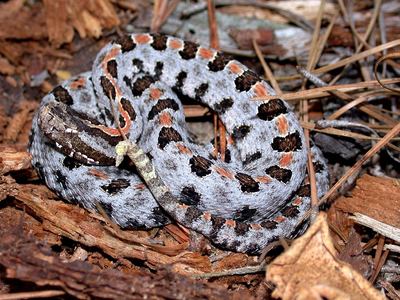
North Carolina's venomous snakes are two copperhead or cottonmouth species, two rattlesnake species and one coral snake species. Together they account for 2,308 licensed records; the eastern copperhead alone has 71% of them, and the least recorded, the pygmy rattlesnake, has 33.
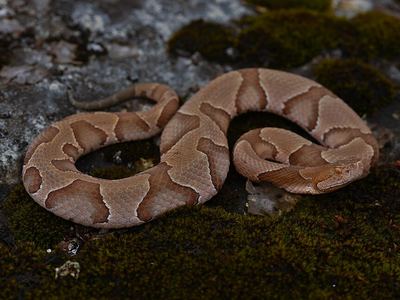
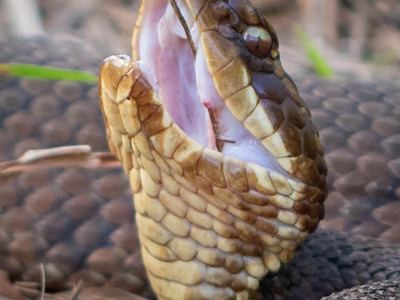
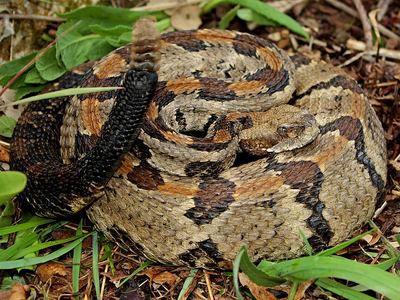
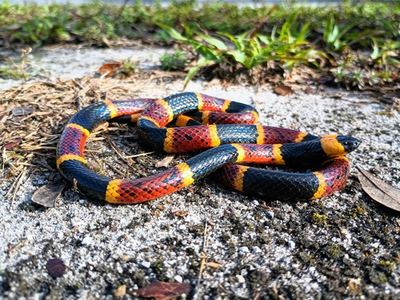
Dangerous spiders of North Carolina
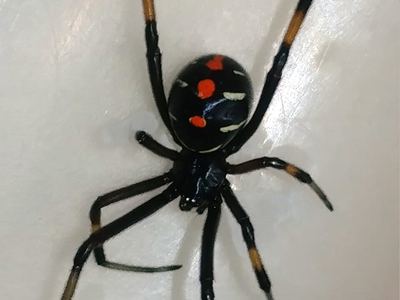
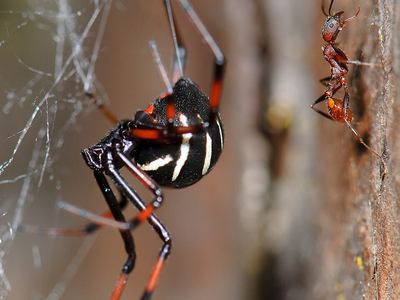
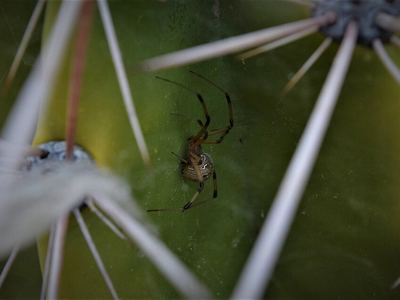
Three widow species (Southern black widow: 44 records, Northern black widow: 40 records, Brown widow: 16 records) are on the North Carolina list. There is no recluse spider on the North Carolina list: no recluse species reaches 10 records in the state. Widow bites cause muscle pain and cramps; recluse bites can cause a slow-healing wound. Both are rare and seldom fatal.
Are there scorpions in North Carolina?
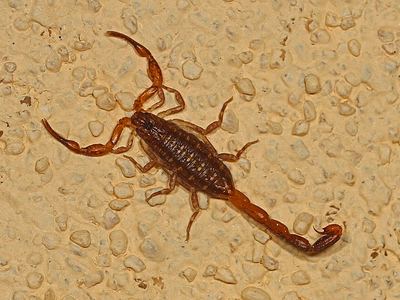
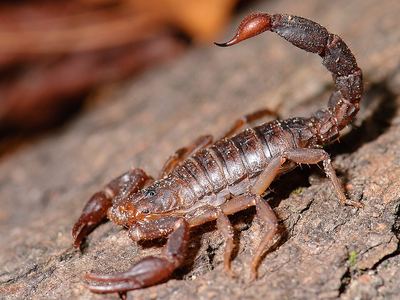
Yes. Two scorpion species are recorded in North Carolina, from 31 licensed records: Hentz striped scorpion (20 records), Southern unstriped scorpion (8 records). Every scorpion has venom; only the Arizona bark scorpion's sting is medically significant, and it is not on the North Carolina list.
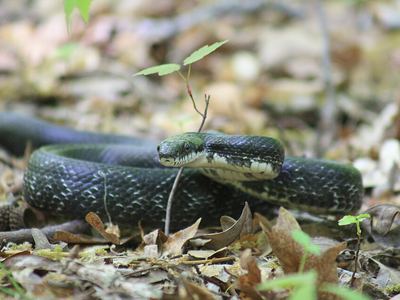
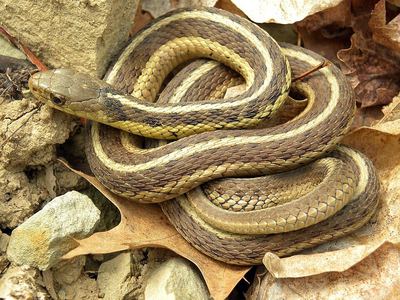
Other snakes recorded most in North Carolina
These eight account for 49% of all licensed snake records in North Carolina; the most recorded, the eastern rat snake, alone for 9%.
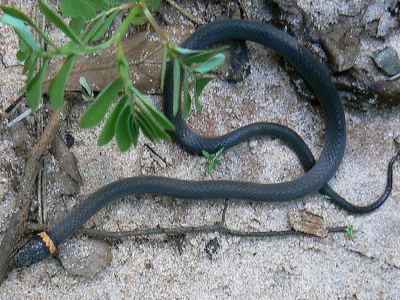
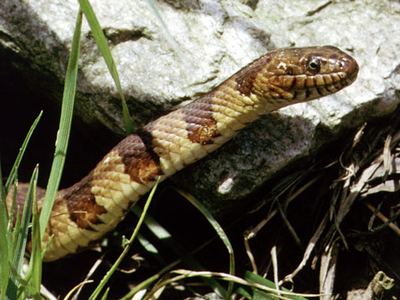
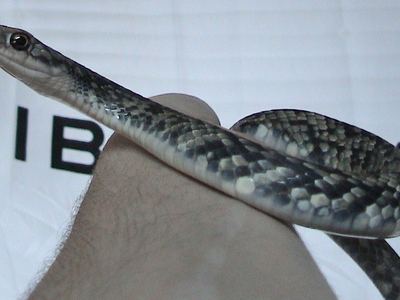
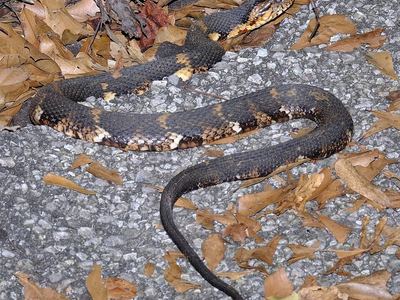
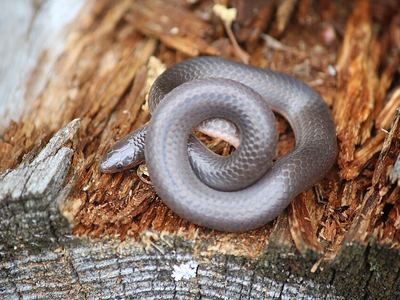
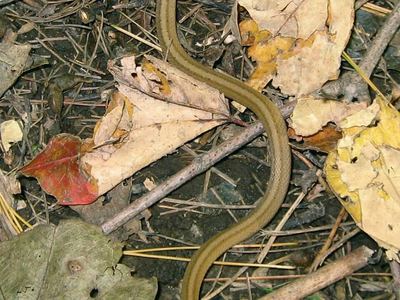
All 39 snakes of North Carolina →
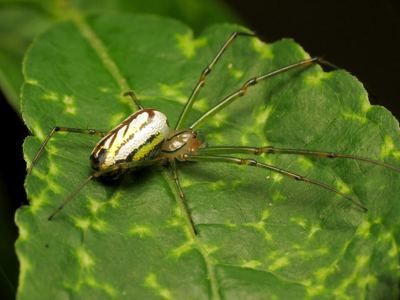
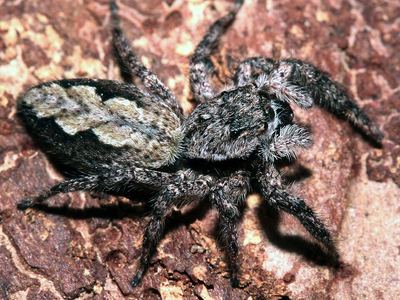
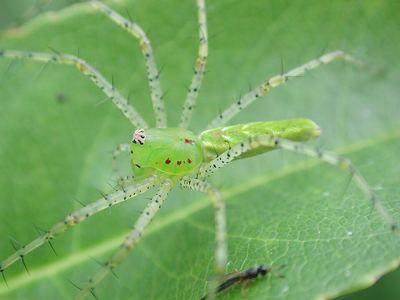
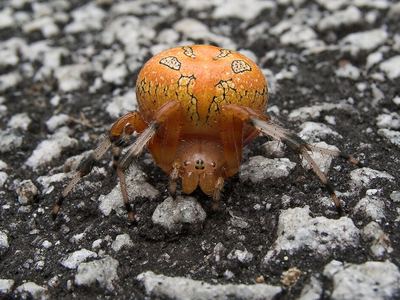
Other spiders recorded most in North Carolina
These eight account for 25% of all licensed spider records in North Carolina; the most recorded, the black-and-yellow argiope, alone for 5%.
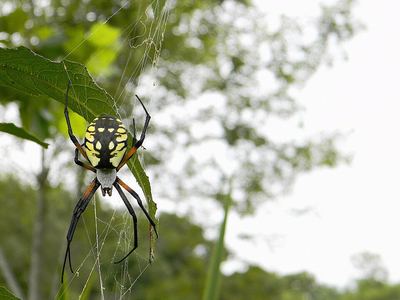
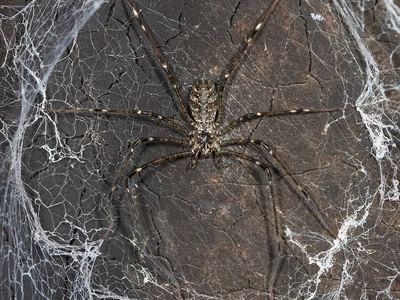
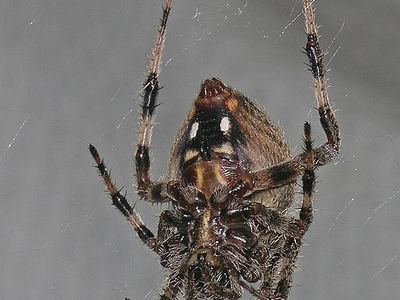
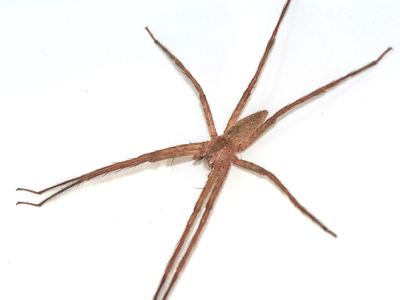
All 184 spiders of North Carolina →
When venomous snakes are out in North Carolina
Observation records of venomous snakes in North Carolina run mostly April through October, peaking in July with 20% of them. December through February together hold under 2% of the records, so venomous snakes in North Carolina are rarely recorded in winter.
Season of each venomous snake
| Species | Main season | Peak month | Winter share | Observation records |
|---|---|---|---|---|
| Eastern copperhead | April through October | July | 1% | 273 |
| Northern cottonmouth | April through November | June | 2% | 105 |
| Timber rattlesnake | May through October | July | 0% | 41 |
When spiders are most active in North Carolina
Observation records of spiders in North Carolina run mostly April through November, peaking in September with 16% of them. Winter (December to February) holds 3% of the records.
Counties with the most venomous snake records
Sampson County has the most records of venomous snakes in North Carolina, 191, most of them of the eastern copperhead. Wake County and Moore County follow.
| # | County | Records | Most recorded there |
|---|---|---|---|
| 1 | Sampson County | 191 | Eastern copperhead |
| 2 | Wake County | 170 | Eastern copperhead |
| 3 | Moore County | 132 | Eastern copperhead |
| 4 | Bladen County | 85 | Eastern copperhead |
| 5 | Dare County | 73 | Northern cottonmouth |
| 6 | Orange County | 71 | Eastern copperhead |
| 7 | Craven County | 64 | Eastern copperhead |
| 8 | Montgomery County | 63 | Eastern copperhead |
| 9 | Randolph County | 63 | Eastern copperhead |
| 10 | Pender County | 60 | Eastern copperhead |
Where in North Carolina are snakes recorded most?
Records are spread widely: even the top five counties, led by Wake County, hold only 28% of them. 100 of North Carolina's 100 counties have at least one licensed snake record.
| # | County | Records | Share |
|---|---|---|---|
| 1 | Wake County | 1,941 | 9.4% |
| 2 | Sampson County | 1,453 | 7.0% |
| 3 | Columbus County | 838 | 4.1% |
| 4 | Durham County | 832 | 4.0% |
| 5 | Moore County | 769 | 3.7% |
| 6 | Orange County | 743 | 3.6% |
| 7 | Dare County | 687 | 3.3% |
| 8 | Brunswick County | 666 | 3.2% |
| 9 | Bladen County | 645 | 3.1% |
| 10 | Scotland County | 591 | 2.9% |
| 11 | New Hanover County | 561 | 2.7% |
| 12 | Macon County | 481 | 2.3% |
North Carolina counties with their own page: Beaufort County, Bladen County, Brunswick County, Carteret County, Chatham County, Columbus County, Craven County, Cumberland County, Dare County, Durham County, Hyde County, Macon County, Mecklenburg County, Moore County, New Hanover County, Orange County, Pender County, Randolph County, Richmond County, Sampson County, Scotland County, Wake County, Watauga County and Yancey County.
Are there poisonous snakes in North Carolina?
Yes. North Carolina has five venomous snake species on its list, the kind people usually call poisonous: eastern copperhead, northern cottonmouth, timber rattlesnake, eastern coral snake and pygmy rattlesnake. Strictly, snakes are venomous (they inject venom), not poisonous (harmful to eat or touch).
Are there rattlesnakes in North Carolina?
Yes. Two species are on the North Carolina list: the timber rattlesnake and the pygmy rattlesnake, with 98 licensed records between them. Most licensed records of the timber rattlesnake come from Macon County, Jackson County and Montgomery County.
Are there copperheads in North Carolina?
Yes. One species is on the North Carolina list: the eastern copperhead, with 1,633 licensed records. Most licensed records of the eastern copperhead come from Sampson County, Wake County and Moore County.
Are there cottonmouths (water moccasins) in North Carolina?
Yes. One species is on the North Carolina list: the northern cottonmouth, with 530 licensed records. Most licensed records of the northern cottonmouth come from Dare County, Currituck County and Moore County.
Are there coral snakes in North Carolina?
Yes. One species is on the North Carolina list: the eastern coral snake, with 47 licensed records. Most licensed records of the eastern coral snake come from New Hanover County, Pender County and Bladen County.
Eastern copperhead (Agkistrodon contortrix)
North Carolina has 1,633 licensed records of the eastern copperhead, which ranks the state 1st of the 27 states where it reaches our threshold. Its observation records in North Carolina run mostly April through October, peaking in July; most licensed records come from Sampson County, Wake County and Moore County. Range in other states and photos: Eastern copperhead profile.
Northern cottonmouth (Agkistrodon piscivorus)
North Carolina has 530 licensed records of the northern cottonmouth, which ranks the state 2nd of the 16 states where it reaches our threshold. Its observation records in North Carolina run mostly April through November, peaking in June; most licensed records come from Dare County, Currituck County and Moore County. Range in other states and photos: Northern cottonmouth profile.
Timber rattlesnake (Crotalus horridus)
North Carolina has 65 licensed records of the timber rattlesnake, which ranks the state 9th of the 30 states where it reaches our threshold. Its observation records in North Carolina run mostly May through October, peaking in July; most licensed records come from Macon County, Jackson County and Montgomery County. Range in other states and photos: Timber rattlesnake profile.
Eastern coral snake (Micrurus fulvius)
North Carolina has 47 licensed records of the eastern coral snake, which ranks the state 2nd of the 5 states where it reaches our threshold. Most of its licensed records in North Carolina come from New Hanover County, Pender County and Bladen County. Range in other states and photos: Eastern coral snake profile.
Pygmy rattlesnake (Sistrurus miliarius)
North Carolina has 33 licensed records of the pygmy rattlesnake, which ranks the state 7th of the 11 states where it reaches our threshold. Most of its licensed records in North Carolina come from Hyde County, Scotland County and Carteret County. Range in other states and photos: Pygmy rattlesnake profile.
Harmless lookalikes in North Carolina
Many snakes and spiders taken for venomous ones are harmless species with a similar look. These are the usual confusions, with each species' licensed records in North Carolina.
What looks like a copperhead in North Carolina
Copperheads: 1,633 licensed records in North Carolina. Harmless species often taken for them are also on the state list: eastern rat snake (1,917), northern water snake (1,281), corn snake (740), eastern hog-nosed snake (652) and plain-bellied watersnake (508). Together they have 5,270 licensed records, and the lookalikes are recorded 3 times as often.
What looks like a cottonmouth in North Carolina
Cottonmouths: 530 licensed records in North Carolina. Harmless species often taken for them are also on the state list: northern water snake (1,281), southern watersnake (1,158), mud snake (524), plain-bellied watersnake (508) and brown water snake (363). Together they have 3,834 licensed records, and the lookalikes are recorded 7 times as often.
What looks like a rattlesnake in North Carolina
Rattlesnakes: 98 licensed records in North Carolina. Harmless species often taken for them are also on the state list: eastern hog-nosed snake (652) and pine snake (11). Together they have 663 licensed records, and the lookalikes are recorded 7 times as often.
What looks like a coral snake in North Carolina
Coral snakes: 47 licensed records in North Carolina. Harmless species often taken for them are also on the state list: scarlet snake (331), eastern milksnake (172) and scarlet kingsnake (42). Together they have 545 licensed records, and the lookalikes are recorded 12 times as often.
What looks like a widow spider in North Carolina
Widow spiders: 100 licensed records in North Carolina. Harmless species often taken for them are also on the state list: false black widow (46), triangulate bud spider (39), common house spider (22) and boreal combfoot (7). Together they have 114 licensed records, and the two sides are recorded about equally.
What looks like a recluse spider in North Carolina
Recluse spiders are not on the North Carolina list, but they are recorded in North Carolina 25 times (records of any license: brown recluse 25): treat any spider like this as venomous until identified. Harmless species often taken for them in the state: longbodied cellar spider (61), southern house spider (56), dark-legged grass spider (5) and spitting spider (on record).
How North Carolina compares
By count of venomous snake species, North Carolina ranks 12th of 50 states, level with 5 other states. Nationally, Arizona leads with 14 species; five list none.
Of the four states bordering North Carolina, Georgia and South Carolina list more venomous snake species (North Carolina: 5 species; Georgia 7, South Carolina 6, Tennessee 3, Virginia 3).
Venomous snakes listed next door but not in North Carolina: the Florida cottonmouth (Georgia). Listed next door and recorded in North Carolina too, but too few times to list (records of any license): the eastern diamondback rattlesnake, recorded here only two times (listed in Georgia and South Carolina). The most widely shared are the eastern copperhead, the northern cottonmouth and the timber rattlesnake, each listed in all four bordering states.
Are there poisonous spiders in North Carolina?
Does North Carolina have black widows?
Yes. Three widow species are on the North Carolina list: the southern black widow (44 records), the northern black widow (40 records) and the brown widow (16 records).
Does North Carolina have brown recluse spiders?
Not on our list: GBIF holds 25 brown recluse records of any license in North Carolina (brown recluse 25), but they are filed under names that here stand for another species or lie outside the species’ known range, so they are not counted (see the methodology); such records can be genuine rarities, strays, transported animals or misidentifications. Treat any spider that looks like a recluse as venomous.
Southern black widow (Latrodectus mactans)
North Carolina has 44 licensed records of the southern black widow, which ranks the state 6th of the 22 states where it reaches our threshold. Its observation records in North Carolina run mostly April through November, peaking in July; most licensed records come from Brunswick County, Cumberland County and Dare County. Range in other states and photos: Southern black widow profile.
Northern black widow (Latrodectus variolus)
North Carolina has 40 licensed records of the northern black widow, which ranks the state 3rd of the 30 states where it reaches our threshold. Its observation records in North Carolina run mostly March through September, peaking in May; most licensed records come from Orange County, Wake County and Dare County. Range in other states and photos: Northern black widow profile.
Brown widow (Latrodectus geometricus)
North Carolina has 16 licensed records of the brown widow, which ranks the state 6th of the 11 states where it reaches our threshold. Range in other states and photos: Brown widow profile.
More for North Carolina
GBIF records read 2026-09-29. Listed: any license. Counted: CC0/CC BY only. How we count.