Spiders in North Carolina
North Carolina has 184 spider species on record, each with at least 10 GBIF records in the state, and 8,334 licensed records in all. The most recorded are the black-and-yellow argiope, the Pocock's lampshade-web spider and the orchard orbweaver. Medically significant: the southern black widow, the northern black widow and the brown widow.
Widow spiders in North Carolina
Widow spiders are a small part of the spider record here: three species with 1% of records between them. The most recorded is the southern black widow (44), ahead of the northern black widow (40).
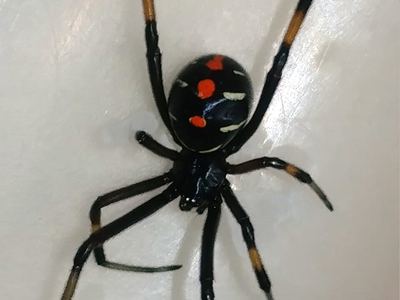
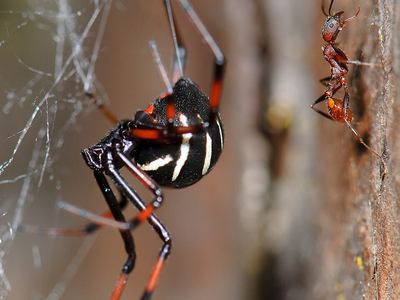
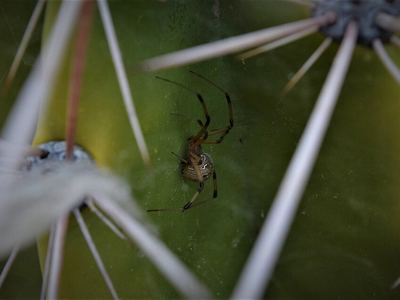
Observation records of the southern black widow in North Carolina run mostly April through November, peaking in July; most licensed records come from Brunswick County, Cumberland County and Dare County. Observation records of the northern black widow in North Carolina run mostly March through September, peaking in May; most licensed records come from Orange County, Wake County and Dare County.
Jumping spiders in North Carolina
Jumping spiders: 39 species are listed for North Carolina, with 1,462 records (18% of the state's spider records). The most recorded is the familiar jumping spider (242), ahead of the magnolia green jumper (184).
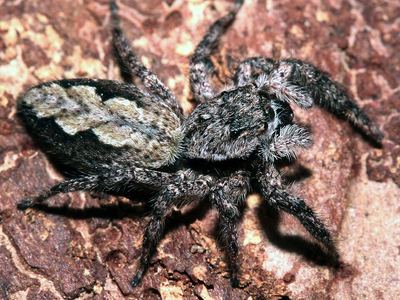
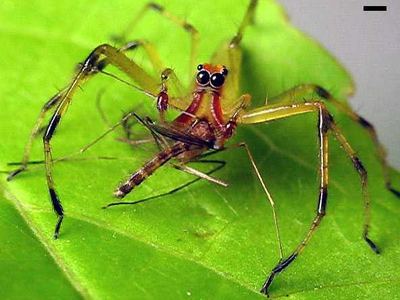
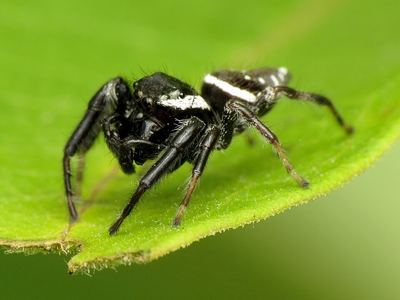
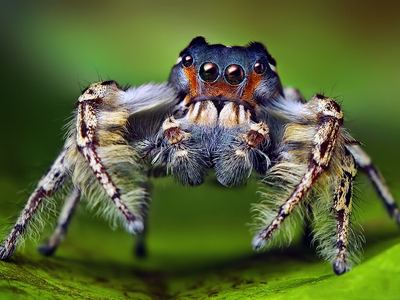
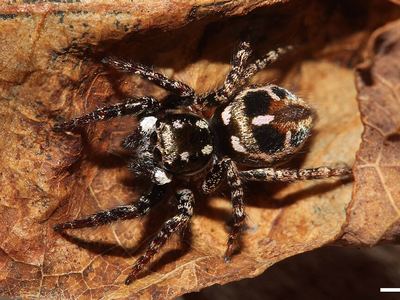
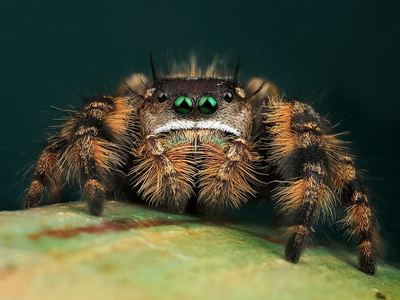
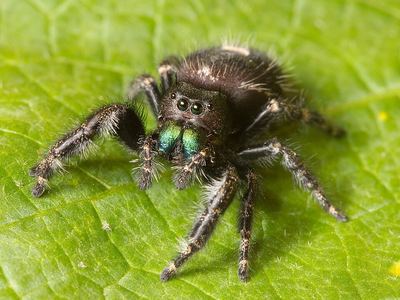
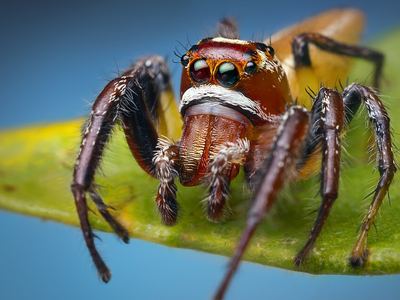
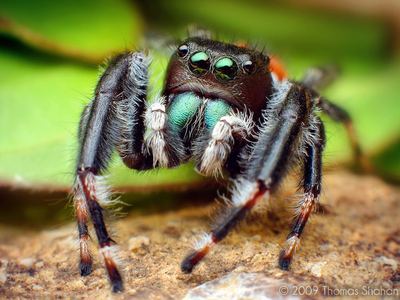
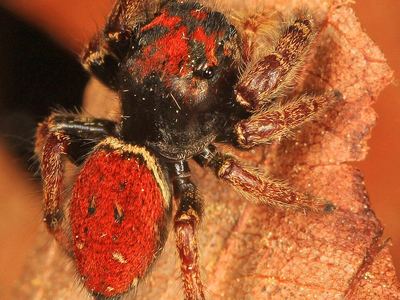
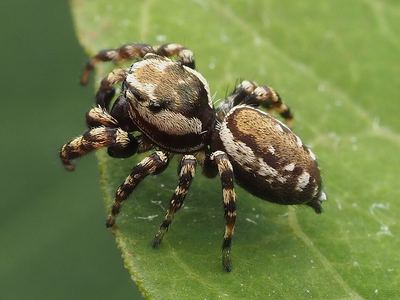
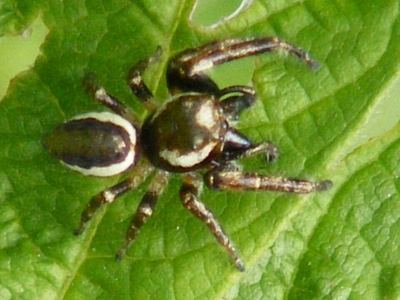
Plus 27: Grayish jumping spider, White-jawed jumping spider, Dimorphic jumper, Flea jumping spider, Common Hentz jumping spider, Ribbon jumping spider, Habronattus coecatus, Common white-cheeked jumping spider, Little mountain jumping spider, Habronattus decorus, Hammerjawed jumper, Eris floridana, Thin-spined jumping spider, Four-lined slender jumping spider, Metacyrba floridana, Cardinal jumper, Orbus paradise spider, Regal jumper, Zygoballus sexpunctatus, Asian wall jumper, Zebra spider, Sarinda hentzi, Sassacus papenhoei, Pantropical jumper, Short-bellied slender jumping spider, Slender ant mimicking jumping spider, High eye-lashed jumping spider.
Observation records of the familiar jumping spider in North Carolina run mostly March through October, peaking in August; most licensed records come from Wake County, Orange County and Cumberland County. Observation records of the magnolia green jumper in North Carolina run mostly March through November, peaking in May; most licensed records come from Orange County, Wake County and Mecklenburg County. Observation records of Paraphidippus aurantius in North Carolina run mostly April through October, peaking in June; most licensed records come from Orange County, Buncombe County and Mecklenburg County.
Wolf spiders in North Carolina
Wolf spiders: 19 species are listed for North Carolina, with 398 records (5% of the state's spider records). The most recorded is the rabid wolf spider (113), ahead of Tigrosa annexa (92).
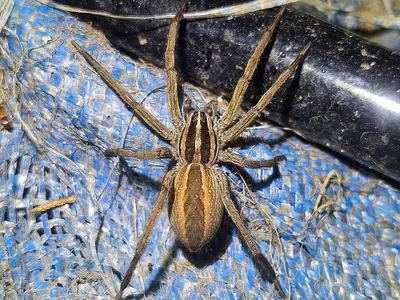
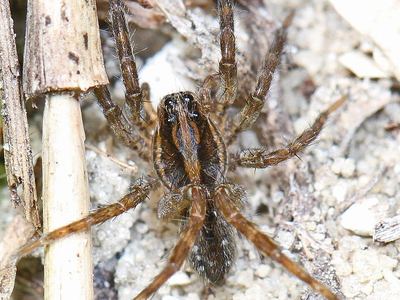
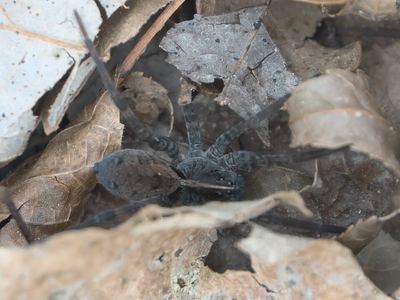
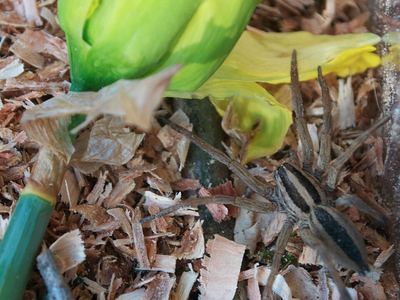
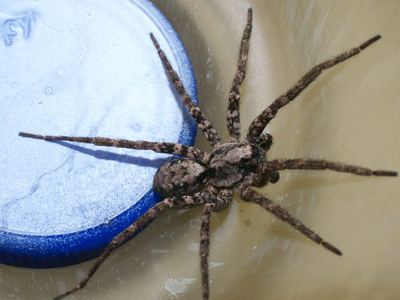
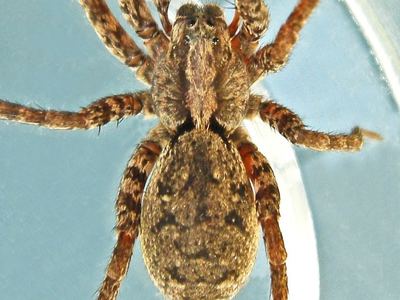
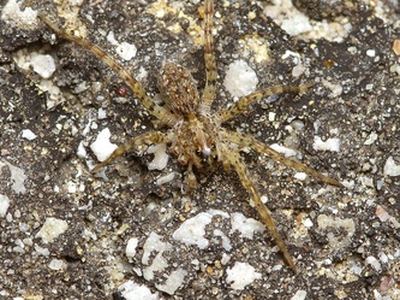
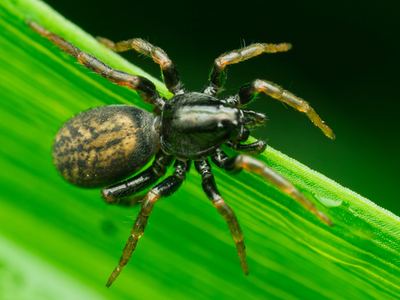
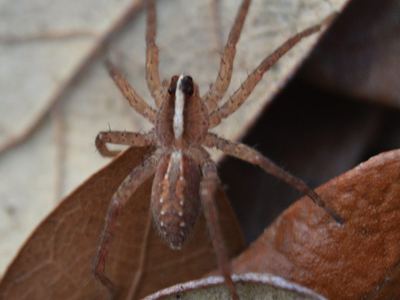
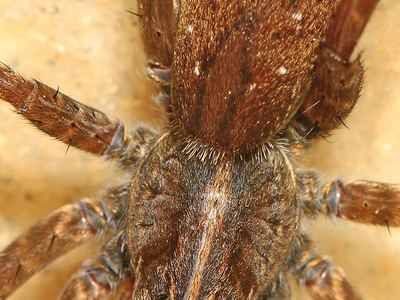
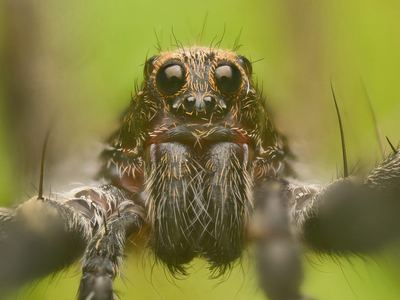
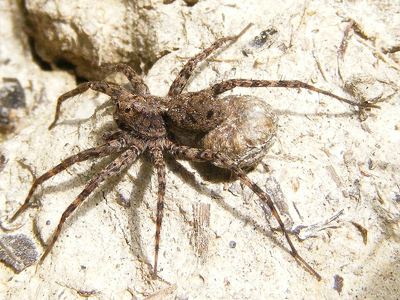
Plus seven: Shoreline wolf spider, Trabeops aurantiacus, Carolina wolf spider, Trochosa sepulchralis, Woodland giant wolf spider, Field wolf spider, Lance wolf spider.
Observation records of the rabid wolf spider in North Carolina run mostly April through October, peaking in August; most licensed records come from Orange County, Cumberland County and Wake County. Observation records of Tigrosa annexa in North Carolina run mostly April through September, peaking in July; most licensed records come from Orange County, Wake County and Mecklenburg County. Observation records of the Georgia wolf spider in North Carolina run mostly March through October, peaking in April; most licensed records come from Orange County, Durham County and Wake County.
Orb weavers in North Carolina
Orb weavers dominate the spider record of North Carolina: 40 species and 27% of all records. The most recorded is the black-and-yellow argiope (454), ahead of the marbled orbweaver (198).
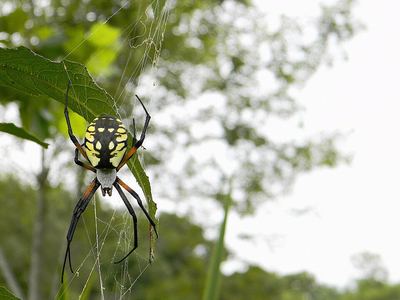
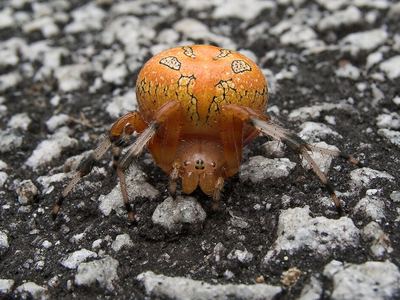
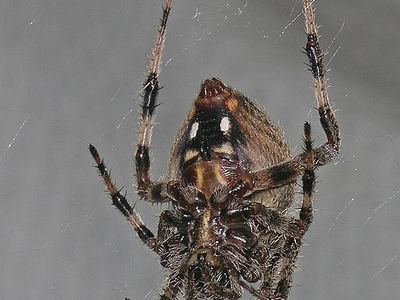
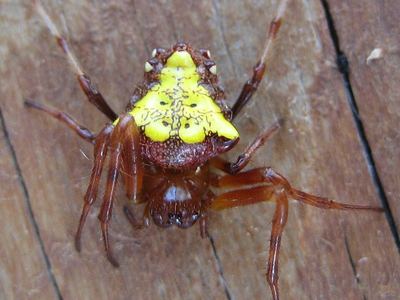
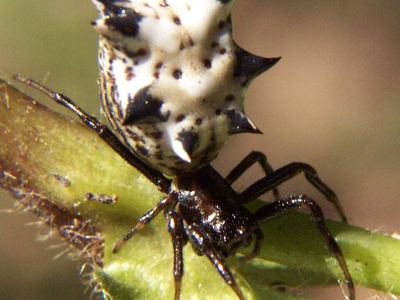
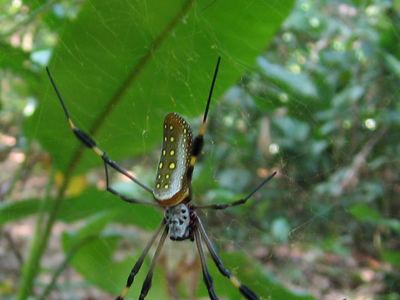
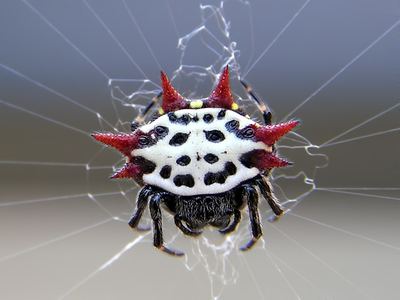
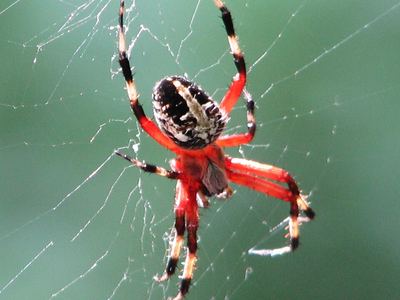
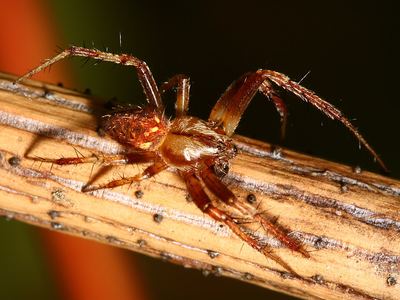
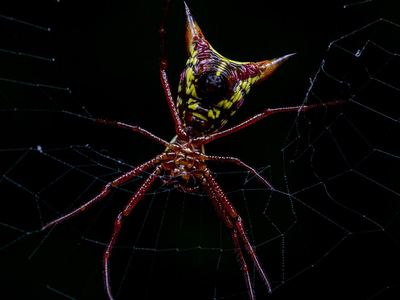
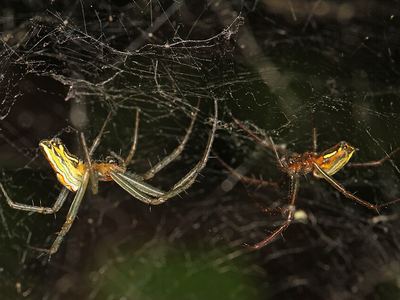
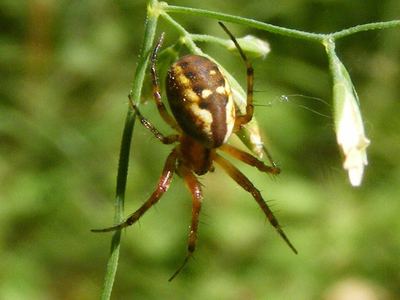
Plus 28: Furrow orbweaver, Joro spider, White micrathena, Labyrinth orbweaver, Lined orbweaver, Banded garden spider, Difoliate orbweaver, Heptagonal orbweaver, Humpbacked orbweaver, Butterfly orbweaver, Lattice orbweaver, Cone-shaped orbweaver, Cyclosa turbinata, Giant lichen orbweaver, Nordmann's orbweaver spider, Sixspotted orbweaver, Larinia directa, Metazygia wittfeldae, Florida garden spider, Mangora spiculata, Araneus alboventris, Starbellied orbweaver, Red-backed orbweaver, Red-spotted orbweaver, Shamrock orbweaver, Black-spotted orbweaver, Fierce orbweaver, Greenlegged orbweaver.
Observation records of the black-and-yellow argiope in North Carolina run mostly June through October, peaking in August; most licensed records come from Orange County, Wake County and Durham County. Observation records of the marbled orbweaver in North Carolina run mostly July through November, peaking in October; most licensed records come from Orange County, Wake County and Chatham County. Observation records of the spotted orbweaver in North Carolina run mostly July through November, peaking in September; most licensed records come from Orange County, Wake County and Durham County.
Long-jawed orb weavers in North Carolina
Long-jawed orb weavers: four species are listed for North Carolina, with 374 records (4% of the state's spider records). The most recorded is the orchard orbweaver (300), ahead of Leucauge argyrobapta (63).
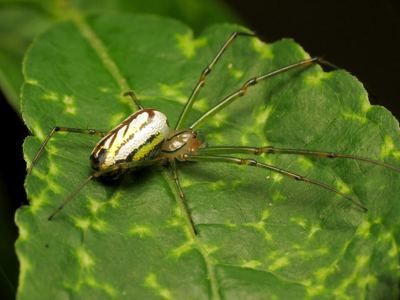
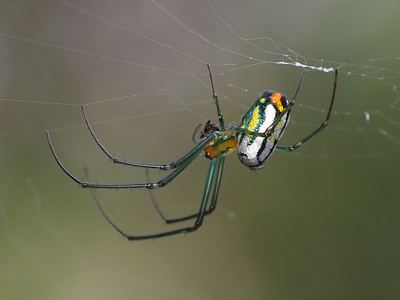
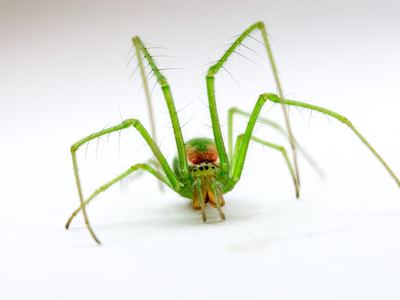
Observation records of the orchard orbweaver in North Carolina run mostly April through August, peaking in May; most licensed records come from Wake County, Orange County and Durham County. Observation records of Leucauge argyrobapta in North Carolina run mostly May through October, peaking in September; most licensed records come from Dare County, New Hanover County and Cumberland County.
Fishing and nursery web spiders in North Carolina
Fishing and nursery web spiders: nine species are listed for North Carolina, with 628 records (8% of the state's spider records). The most recorded is the nursery web spider (188), ahead of the dark fishing spider (124).
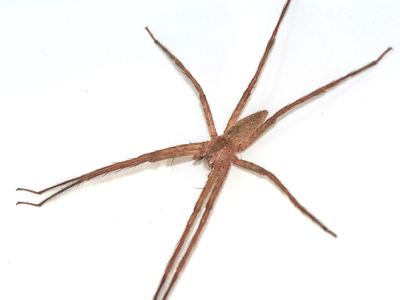
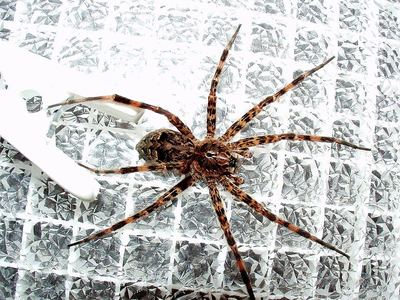
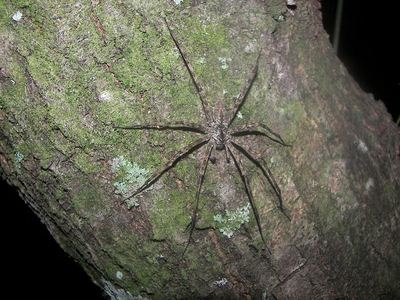
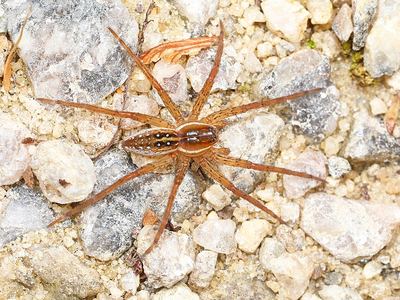
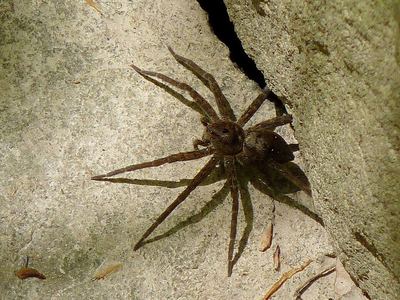
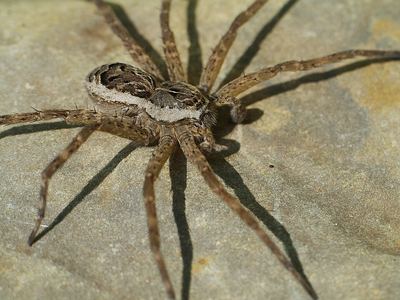
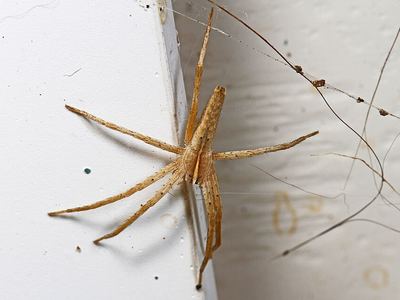
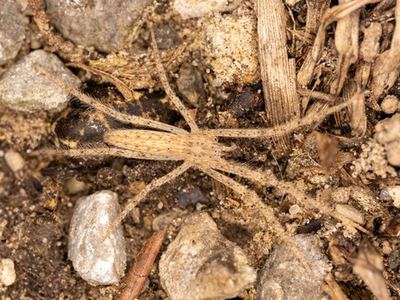
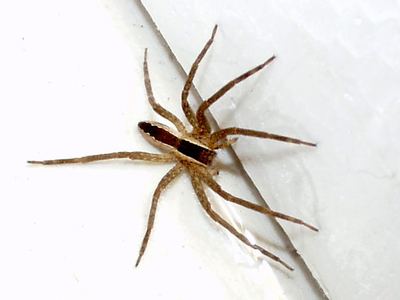
Observation records of the nursery web spider in North Carolina run mostly March through October, peaking in September; most licensed records come from Orange County, Durham County and Chatham County. Observation records of the dark fishing spider in North Carolina run mostly April through November, peaking in May; most licensed records come from Orange County, Chatham County and Wake County. Observation records of the white-banded fishing spider in North Carolina run mostly March through November, peaking in August; most licensed records come from Orange County, Chatham County and Wake County.
Crab spiders in North Carolina
Crab spiders: 13 species are listed for North Carolina, with 296 records (4% of the state's spider records). The most recorded is the whitebanded crab spider (113), ahead of the American green crab spider (99).
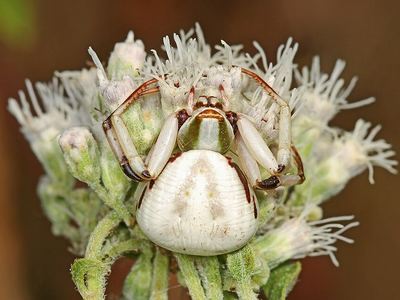
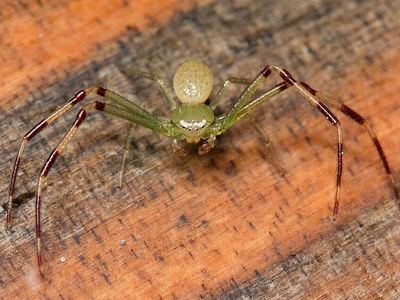
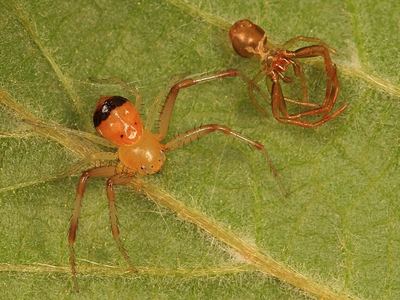
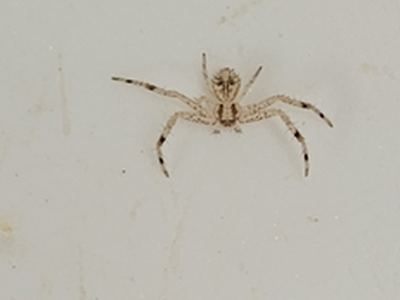
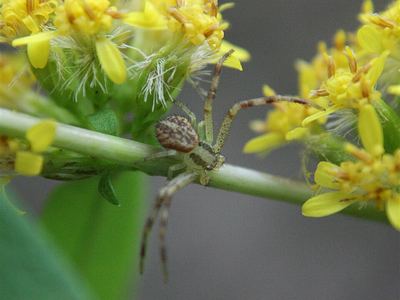
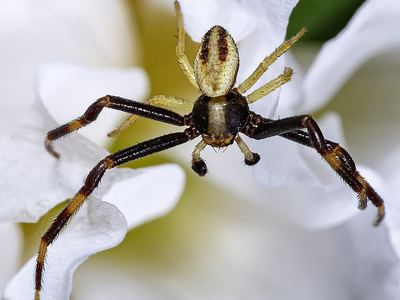
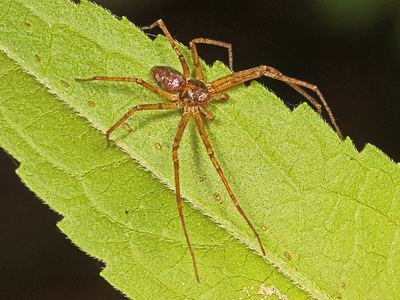
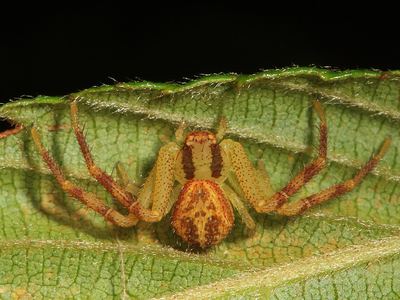
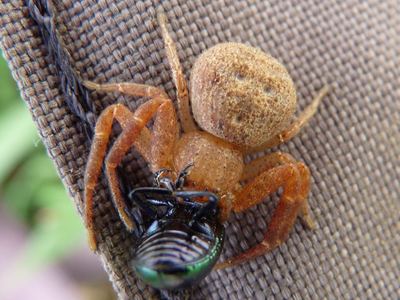
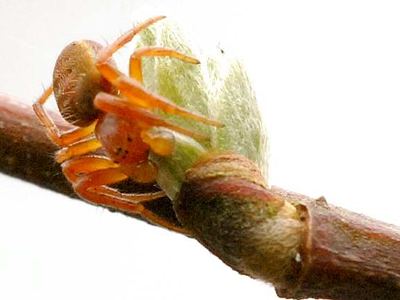
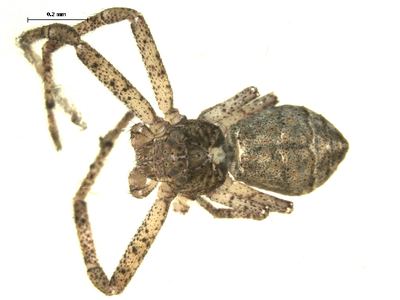
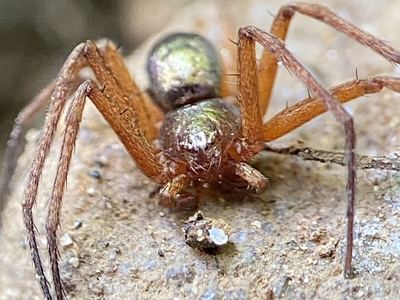
Plus one: Multicolored bark crab spider.
Observation records of the whitebanded crab spider in North Carolina run mostly July through October, peaking in September; most licensed records come from Orange County, Cumberland County and Buncombe County. Observation records of the American green crab spider in North Carolina run mostly May through September, peaking in August; most licensed records come from Orange County, Wake County and Mecklenburg County. Observation records of the black-banded crab spider in North Carolina run mostly March through October, peaking in April; most licensed records come from Orange County, Buncombe County and Davidson County.
Cobweb spiders in North Carolina
Cobweb spiders are a small part of the spider record here: ten species with 2% of records between them. The most recorded is the false black widow (46), ahead of the triangulate bud spider (39).
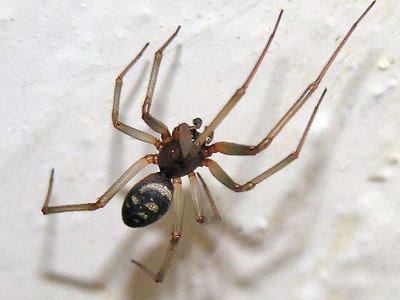
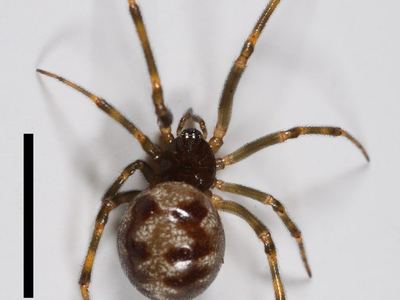
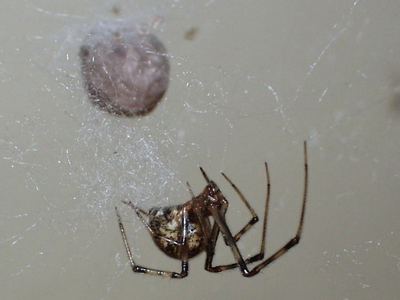
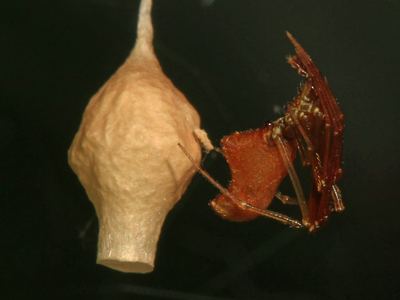
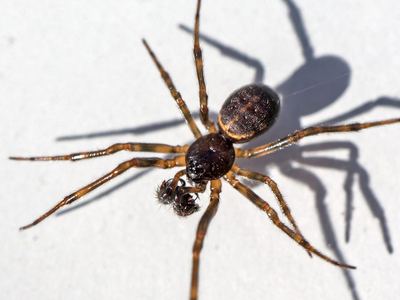
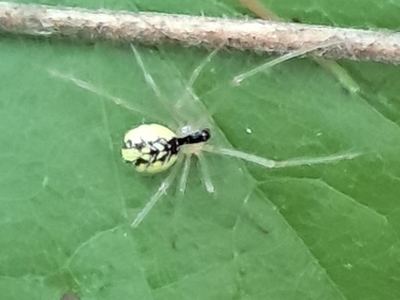
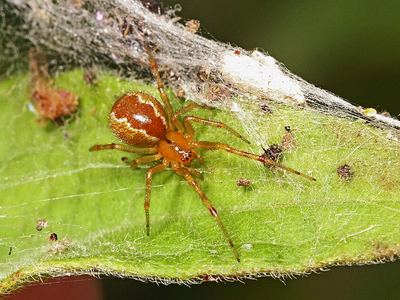
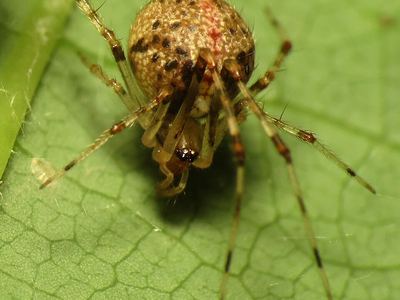
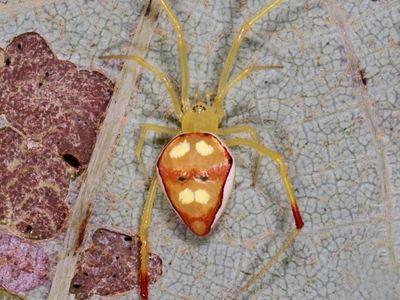
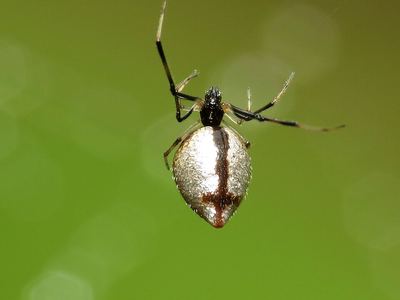
Observation records of the false black widow in North Carolina run through most of the year, peaking in July; most licensed records come from Cumberland County, Robeson County and Wake County. Observation records of the triangulate bud spider in North Carolina run through most of the year, peaking in July; most licensed records come from Cumberland County, Davidson County and Mecklenburg County.
Funnel weavers and grass spiders in North Carolina
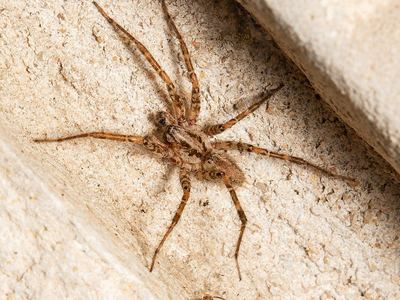
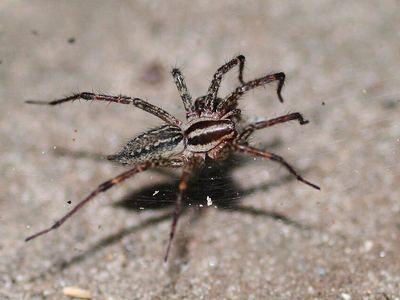
Funnel weavers and grass spiders are a small part of the spider record here: two species with 0.3% of records between them. The most recorded is Barronopsis texana (23), ahead of the dark-legged grass spider (5).
Lynx spiders in North Carolina
Lynx spiders are a small part of the spider record here: three species with 3% of records between them. The most recorded is the green lynx spider (220), ahead of the striped lynx spider (12).
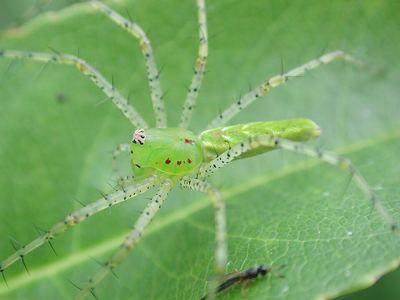
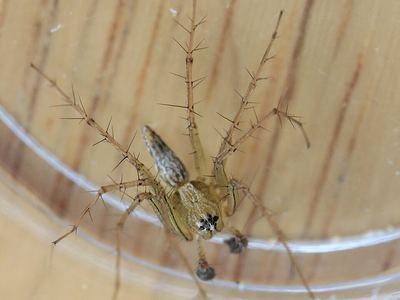
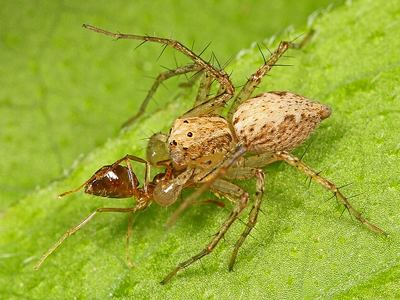
Observation records of the green lynx spider in North Carolina run mostly June through October, peaking in August; most licensed records come from Orange County, Cumberland County and Mecklenburg County.
Sheetweb and dwarf spiders in North Carolina
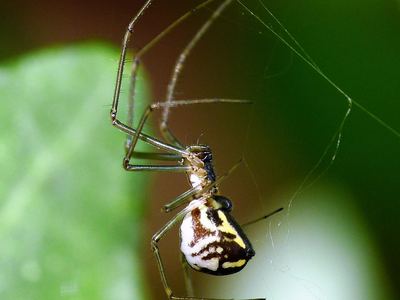
Sheetweb and dwarf spiders are a small part of the spider record here: four species with 0.9% of records between them. The most recorded is the bowl and doily spider (33), ahead of the blacktailed red sheetweaver (17).
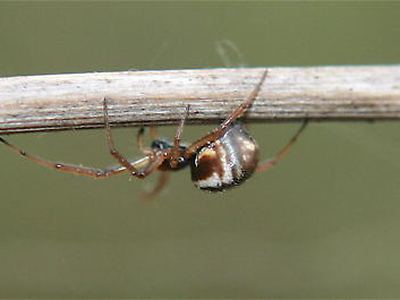
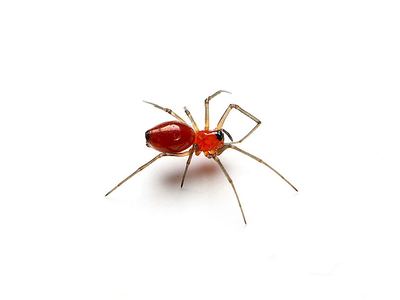
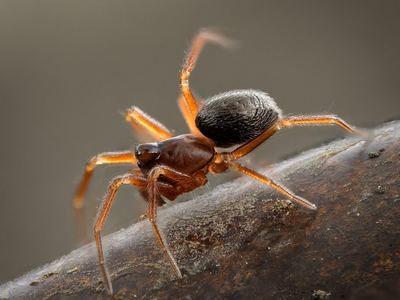 Related species: Ceratinops inflatus
Observation records of the bowl and doily spider in North Carolina run mostly February through September, peaking in April; most licensed records come from Orange County, Macon County and Davie County.
Ground and sac spiders in North Carolina
Ground and sac spiders are a small part of the spider record here: twelve species with 1% of records between them. The most recorded is the parson spider (55), ahead of the white sac spider (11).
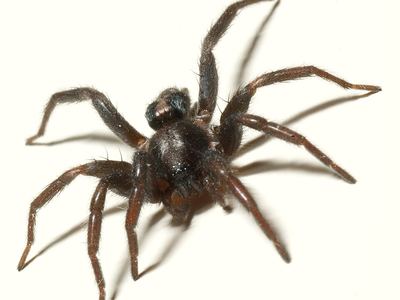
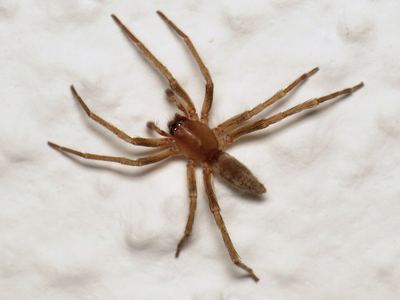
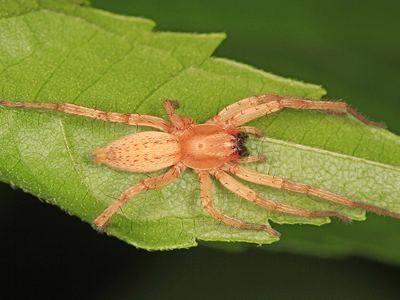
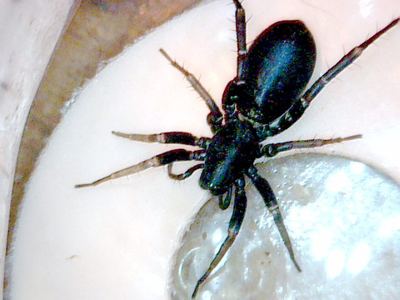
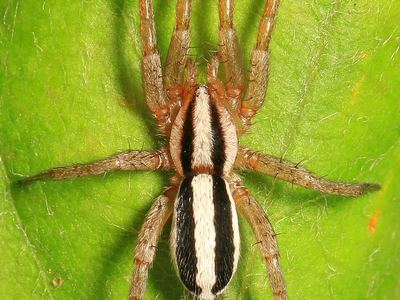
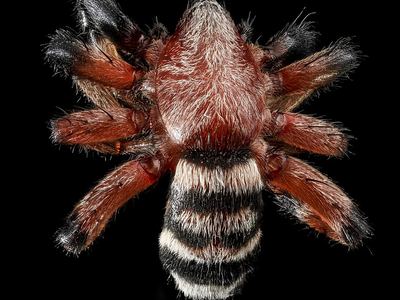
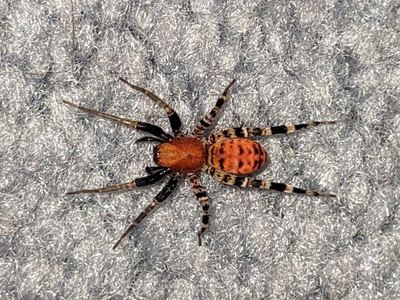
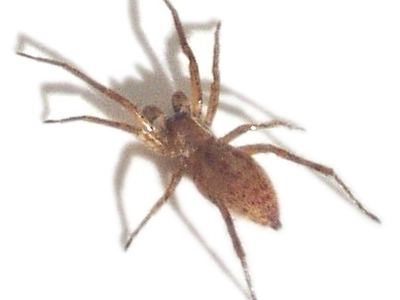
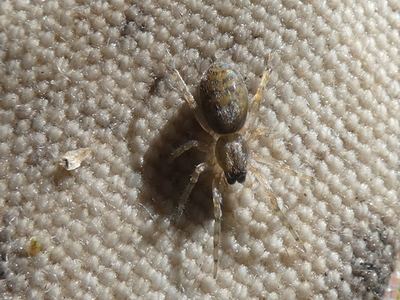
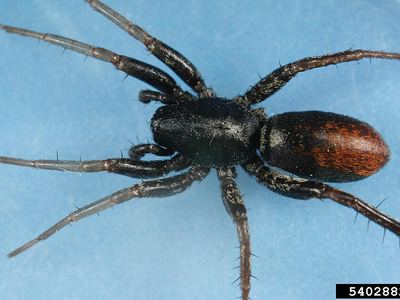
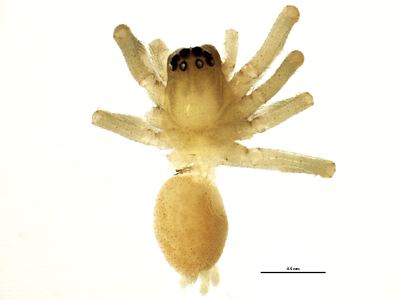
Observation records of the parson spider in North Carolina run mostly March through August, peaking in May; most licensed records come from Orange County, Wake County and Durham County.
Other spiders in North Carolina
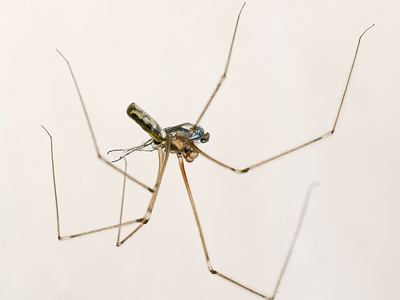
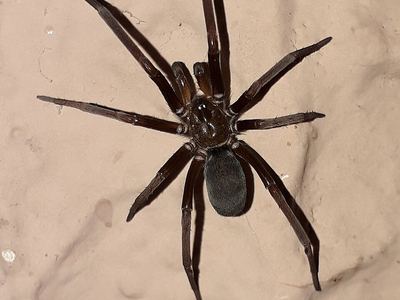
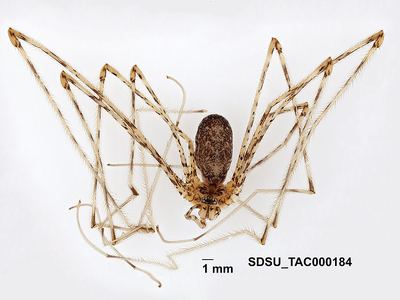
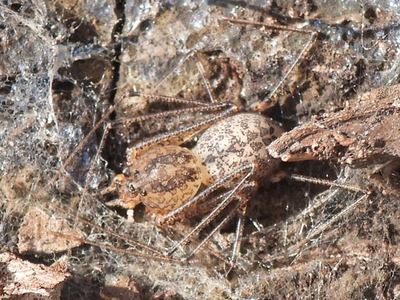
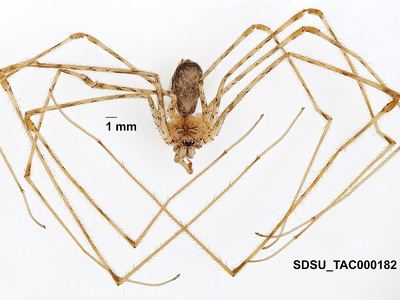
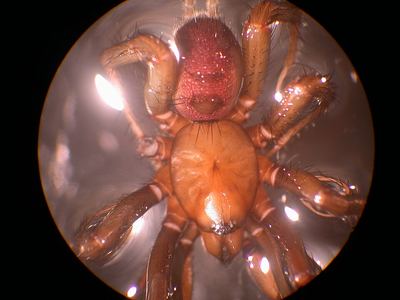
Other spiders: 26 species are listed for North Carolina, with 669 records (8% of the state's spider records). The most recorded is the Pocock's lampshade-web spider (302), ahead of the longbodied cellar spider (61).
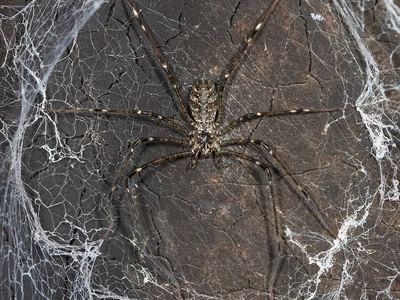
 Related species: Antrodiaetus pacificus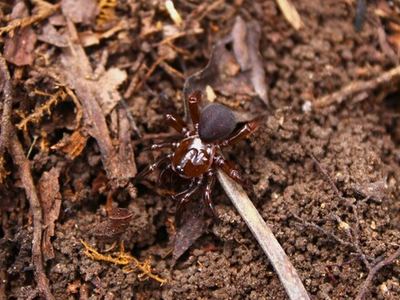
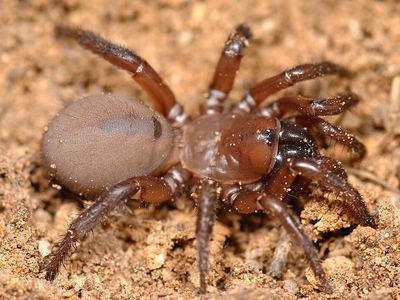
Plus 14: Box spider, Pholcus crypticolens, Featherlegged orbweaver, Red-legged purseweb spider, Ogre-faced spider, Spermophora senoculata, Ariadna bicolor, Atlantic purse-web spider, Pholcus manueli, Ray spider, Black purse-web spider, Ummidia rongodwini, Spitting spider, Zora pumila.
Observation records of the Pocock's lampshade-web spider in North Carolina run mostly May through September, peaking in July; most licensed records come from Macon County, Swain County and Haywood County. Observation records of the longbodied cellar spider in North Carolina run through most of the year, peaking in June; most licensed records come from Wake County, Durham County and Orange County. Observation records of the southern house spider in North Carolina run through most of the year, peaking in June; most licensed records come from Orange County, New Hanover County and Mecklenburg County.
Where in North Carolina are spiders recorded most?
Orange County leads with 1,260 records (15%), followed by Wake County and Durham County; the top five counties hold 39% of the total. 98 of North Carolina's 100 counties have at least one licensed spider record.
| # | County | Records | Share |
|---|---|---|---|
| 1 | Orange County | 1,260 | 15.1% |
| 2 | Wake County | 727 | 8.7% |
| 3 | Durham County | 474 | 5.7% |
| 4 | Cumberland County | 413 | 5.0% |
| 5 | Mecklenburg County | 393 | 4.7% |
| 6 | Macon County | 371 | 4.5% |
| 7 | Yancey County | 310 | 3.7% |
| 8 | Buncombe County | 275 | 3.3% |
| 9 | Haywood County | 248 | 3.0% |
| 10 | Chatham County | 237 | 2.8% |
| 11 | Swain County | 237 | 2.8% |
| 12 | Dare County | 213 | 2.6% |
When do spiders come out in North Carolina?
Observation records of spiders in North Carolina run mostly April through November, peaking in September with 16% of them. Winter (December to February) holds 3% of the records. The sharpest rise comes from March to April.
| Jan | Feb | Mar | Apr | May | Jun | Jul | Aug | Sep | Oct | Nov | Dec |
|---|---|---|---|---|---|---|---|---|---|---|---|
| 1% | 1% | 4% | 8% | 12% | 12% | 15% | 16% | 16% | 9% | 4% | 1% |
Spiders: North Carolina compared with its neighbors
North Carolina ranks 12th of 50 states by the number of spider species listed; Texas leads with 386 species.
Of the four states bordering North Carolina, Georgia lists more spider species (North Carolina: 184 species; Georgia 186, Virginia 176, Tennessee 138, South Carolina 121).
What spiders are in North Carolina? All 184 species
Ranked by licensed records in North Carolina. The table shows the 60 most recorded of 184 listed spiders.
| # | Species | Family | Records | Share |
|---|---|---|---|---|
| 1 | Black-and-yellow argiope Argiope aurantia | Araneidae | 454 | 5.4% |
| 2 | Pocock's lampshade-web spider Hypochilus pococki | Hypochilidae | 302 | 3.6% |
| 3 | Orchard orbweaver Leucauge venusta | Tetragnathidae | 300 | 3.6% |
| 4 | Familiar jumping spider Platycryptus undatus | Salticidae | 242 | 2.9% |
| 5 | Green lynx spider Peucetia viridans | Oxyopidae | 220 | 2.6% |
| 6 | Marbled orbweaver Araneus marmoreus | Araneidae | 198 | 2.4% |
| 7 | Spotted orbweaver Neoscona crucifera | Araneidae | 198 | 2.4% |
| 8 | Nursery web spider Pisaurina mira | Pisauridae | 188 | 2.3% |
| 9 | Magnolia green jumper Lyssomanes viridis | Salticidae | 184 | 2.2% |
| 10 | Arrowhead orbweaver Verrucosa arenata | Araneidae | 161 | 1.9% |
| 11 | Spined micrathena Micrathena gracilis | Araneidae | 133 | 1.6% |
| 12 | American golden orb weaver Trichonephila clavipes | Araneidae | 130 | 1.6% |
| 13 | Spiny-backed orbweaver Gasteracantha cancriformis | Araneidae | 127 | 1.5% |
| 14 | Dark fishing spider Dolomedes tenebrosus | Pisauridae | 124 | 1.5% |
| 15 | White-banded fishing spider Dolomedes albineus | Pisauridae | 121 | 1.5% |
| 16 | Sixspotted fishing spider Dolomedes triton | Pisauridae | 115 | 1.4% |
| 17 | Rabid wolf spider Rabidosa rabida | Lycosidae | 113 | 1.4% |
| 18 | Whitebanded crab spider Misumenoides formosipes | Thomisidae | 113 | 1.4% |
| 19 | Red-femured spotted orbweaver Neoscona domiciliorum | Araneidae | 111 | 1.3% |
| 20 | Paraphidippus aurantius | Salticidae | 105 | 1.3% |
| 21 | American green crab spider Misumessus oblongus | Thomisidae | 99 | 1.2% |
| 22 | Putnam's jumper Phidippus putnami | Salticidae | 99 | 1.2% |
| 23 | Twin-flagged jumping spider Anasaitis canosa | Salticidae | 93 | 1.1% |
| 24 | Tigrosa annexa | Lycosidae | 92 | 1.1% |
| 25 | Canopy jumping spider Phidippus otiosus | Salticidae | 88 | 1.1% |
| 26 | Arabesque orbweaver Neoscona arabesca | Araneidae | 84 | 1.0% |
| 27 | Bold jumper Phidippus audax | Salticidae | 84 | 1.0% |
| 28 | Sylvan jumping spider Colonus sylvanus | Salticidae | 79 | 0.9% |
| 29 | Brilliant jumping spider Phidippus clarus | Salticidae | 77 | 0.9% |
| 30 | Georgia wolf spider Tigrosa georgicola | Lycosidae | 71 | 0.9% |
| 31 | Arrowshaped micrathena Micrathena sagittata | Araneidae | 66 | 0.8% |
| 32 | Leucauge argyrobapta | Tetragnathidae | 63 | 0.8% |
| 33 | Longbodied cellar spider Pholcus phalangioides | Pholcidae | 61 | 0.7% |
| 34 | Basilica orbweaver Mecynogea lemniscata | Araneidae | 59 | 0.7% |
| 35 | Southern house spider Kukulcania hibernalis | Filistatidae | 56 | 0.7% |
| 36 | Tuftlegged orbweaver Mangora placida | Araneidae | 56 | 0.7% |
| 37 | Parson spider Herpyllus ecclesiasticus | Gnaphosidae | 55 | 0.7% |
| 38 | Hypochilus sheari | Hypochilidae | 51 | 0.6% |
| 39 | Furrow orbweaver Larinioides cornutus | Araneidae | 50 | 0.6% |
| 40 | Joro spider Trichonephila clavata | Araneidae | 50 | 0.6% |
| 41 | White micrathena Micrathena mitrata | Araneidae | 49 | 0.6% |
| 42 | False black widow Steatoda grossa | Theridiidae | 46 | 0.6% |
| 43 | Scytodes atlacoya | Scytodidae | 46 | 0.6% |
| 44 | Whitman's jumping spider Phidippus whitmani | Salticidae | 46 | 0.6% |
| 45 | Southern black widow venomous Latrodectus mactans | Theridiidae | 44 | 0.5% |
| 46 | Hypochilus coylei | Hypochilidae | 43 | 0.5% |
| 47 | Banded fishing spider Dolomedes vittatus | Pisauridae | 41 | 0.5% |
| 48 | Labyrinth orbweaver Metepeira labyrinthea | Araneidae | 41 | 0.5% |
| 49 | Peppered jumper Pelegrina galathea | Salticidae | 41 | 0.5% |
| 50 | Bronze jumper Eris militaris | Salticidae | 40 | 0.5% |
| 51 | Northern black widow venomous Latrodectus variolus | Theridiidae | 40 | 0.5% |
| 52 | Grayish jumping spider Phidippus princeps | Salticidae | 39 | 0.5% |
| 53 | Triangulate bud spider Steatoda triangulosa | Theridiidae | 39 | 0.5% |
| 54 | White-jawed jumping spider Hentzia mitrata | Salticidae | 39 | 0.5% |
| 55 | Dimorphic jumper Maevia inclemens | Salticidae | 37 | 0.4% |
| 56 | Flea jumping spider Naphrys pulex | Salticidae | 37 | 0.4% |
| 57 | Bowl and doily spider Frontinella pyramitela | Linyphiidae | 33 | 0.4% |
| 58 | Lined orbweaver Mangora gibberosa | Araneidae | 32 | 0.4% |
| 59 | Black-banded crab spider Synema parvulum | Thomisidae | 31 | 0.4% |
| 60 | Dotted wolf spider Rabidosa punctulata | Lycosidae | 29 | 0.3% |
Related pages
GBIF records read 2026-09-29. Listed: any license. Counted: CC0/CC BY only. How we count.