Venomous snakes and spiders in Texas
Texas has twelve venomous snake species among the 86 snake species listed there: western diamondback rattlesnake, eastern copperhead, northern cottonmouth, Texas coral snake, prairie rattlesnake, eastern black-tailed rattlesnake, broad-banded copperhead, Mohave rattlesnake, rock rattlesnake, western massasauga, timber rattlesnake and pygmy rattlesnake. The western diamondback rattlesnake accounts for the most records (2,667), and venomous species make up 19% of all 41,014 licensed snake records in the state. On the spider side, eight species are medically significant: southern black widow, western black widow, brown recluse, brown widow, Texas recluse, Big Bend recluse, northern black widow and Apache recluse.
Venomous snakes of Texas
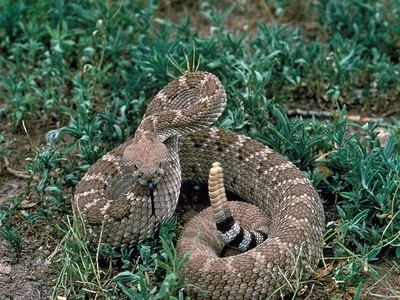
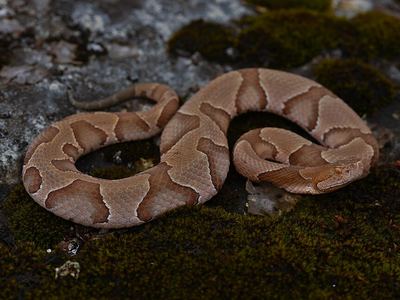
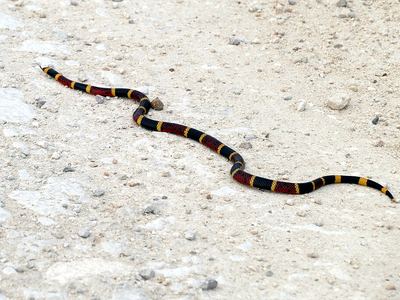
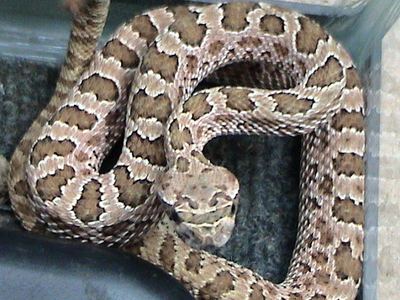
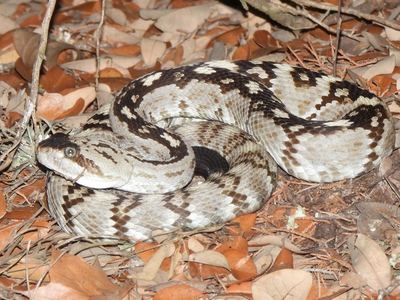
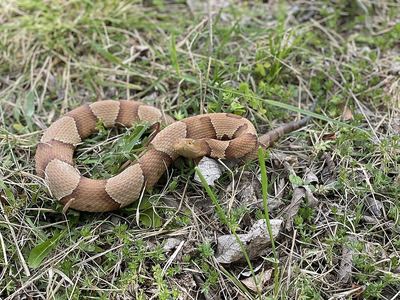
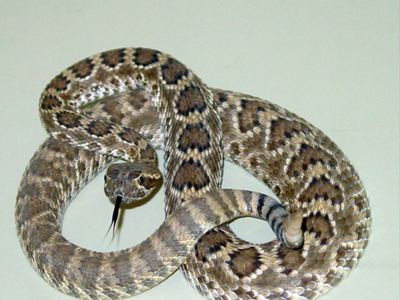
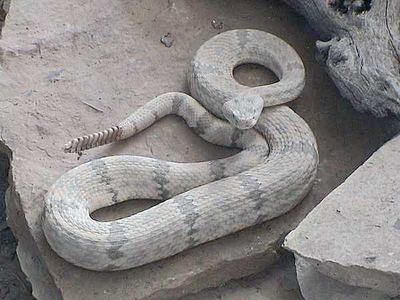
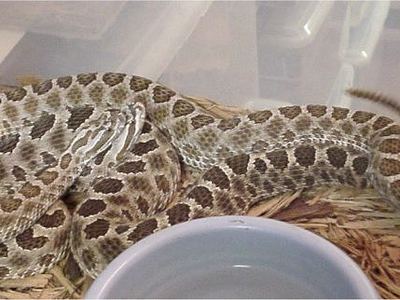
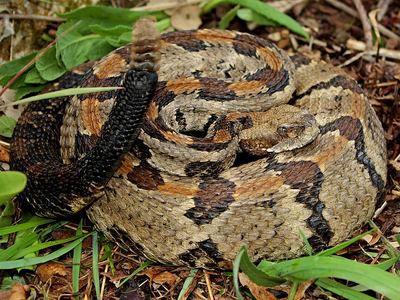
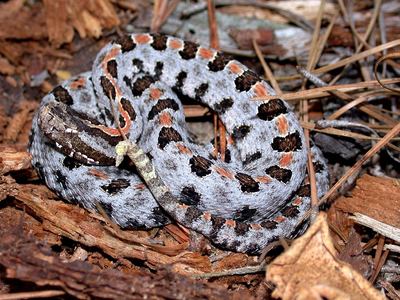
Texas's venomous snakes are eight rattlesnake species, three copperhead or cottonmouth species and one coral snake species. Together they account for 7,761 licensed records; the western diamondback rattlesnake alone has 34% of them, and the least recorded, the pygmy rattlesnake, has 96.
Dangerous spiders of Texas
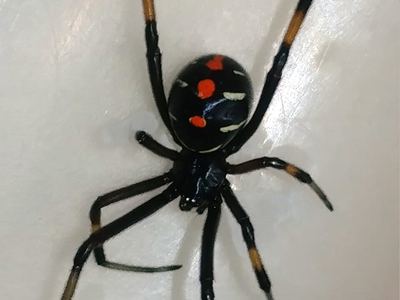
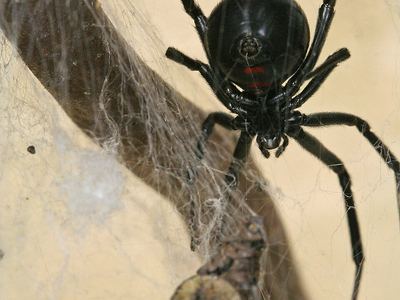
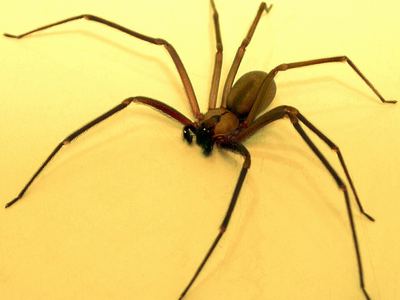
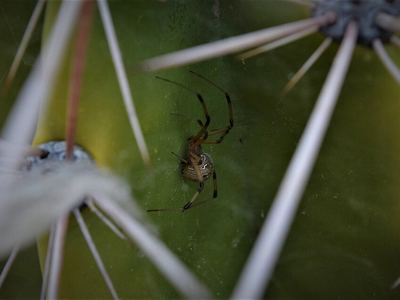
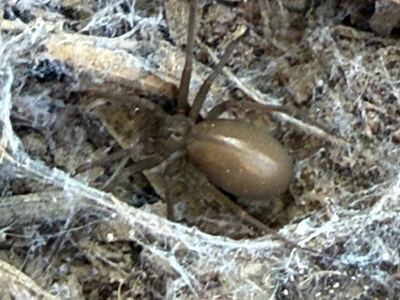
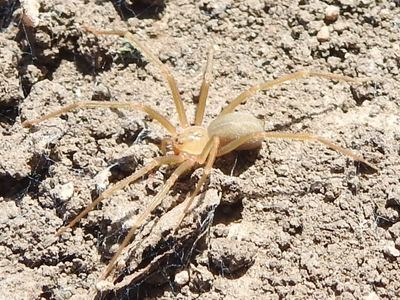
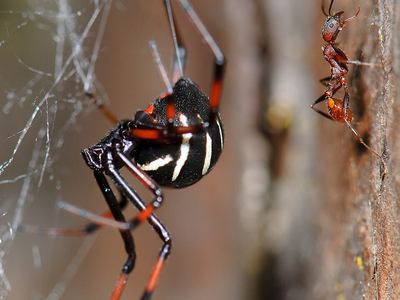
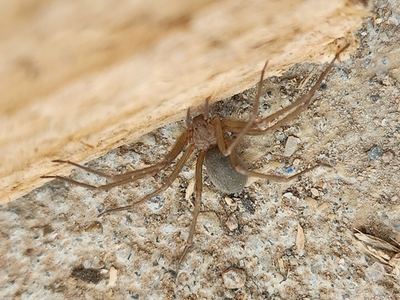
Four widow species (Southern black widow: 200 records, Western black widow: 164 records, Brown widow: 91 records, Northern black widow: 13 records) and four recluse species (Brown recluse: 112 records, Texas recluse: 59 records, Big Bend recluse: 14 records, Apache recluse: 1 record) are on the Texas list. Widow bites cause muscle pain and cramps; recluse bites can cause a slow-healing wound. Both are rare and seldom fatal.
Are there scorpions in Texas?
Yes. 13 scorpion species are recorded in Texas, from 1,889 licensed records, the five most recorded: Striped bark scorpion (1,265 records), Texas cave scorpion (299 records), Lesser stripetail scorpion (45 records), Lindo scorpion (37 records), Wauer's scorpion (23 records). Every scorpion has venom; only the Arizona bark scorpion's sting is medically significant, and it is not on the Texas list.
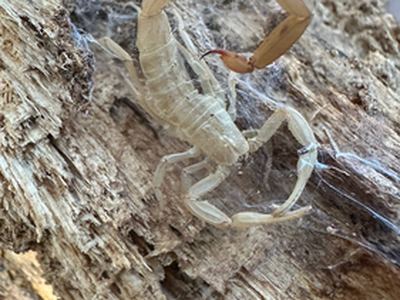
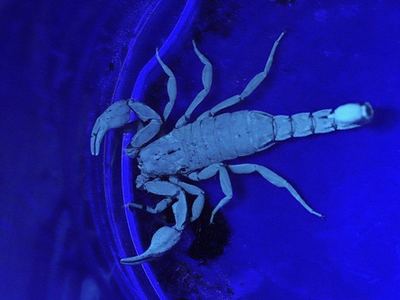
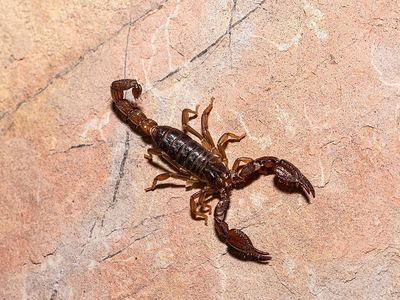
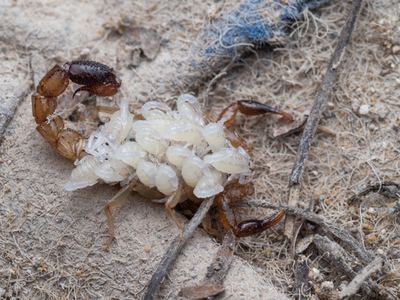
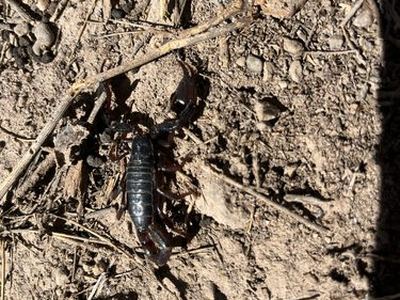
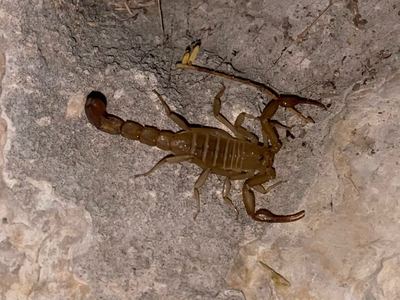
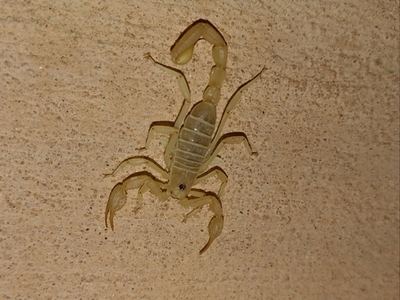
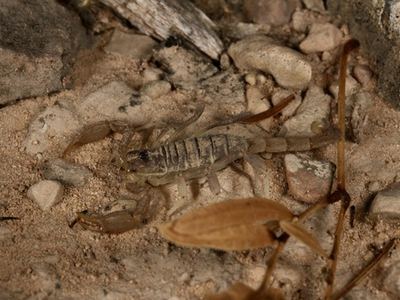
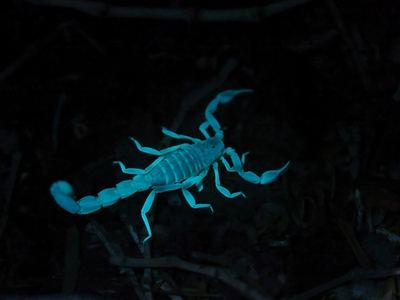
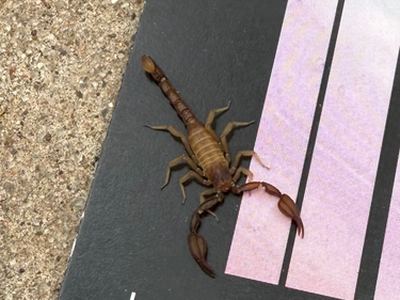
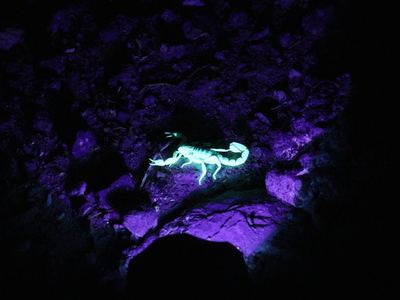 Related species: Pseudouroctonus reddelli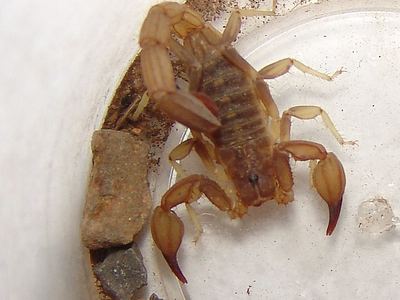
Also recorded in Texas, fewer than 10 times
Beyond the main list, one scorpion species is known from Texas by only five records of any license. It may be a genuine rarity at the edge of its range, or a stray, a released pet or an old misidentification, so treat it as unconfirmed.
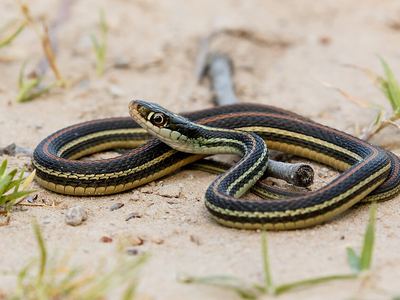
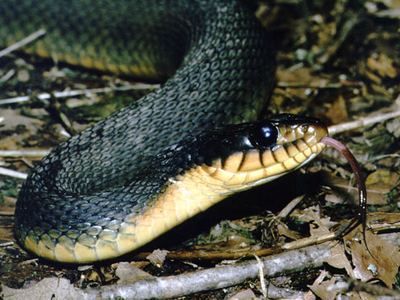
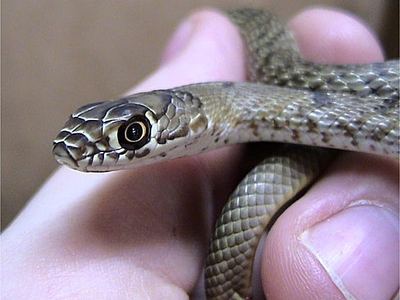
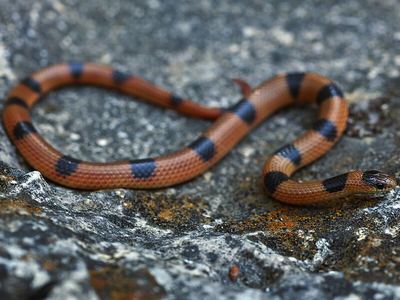
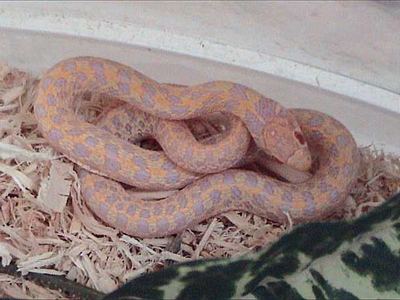
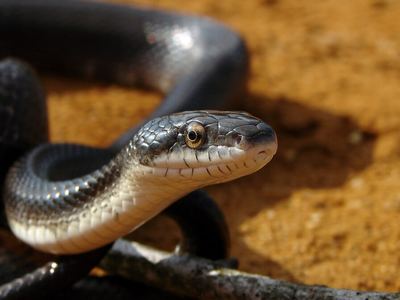
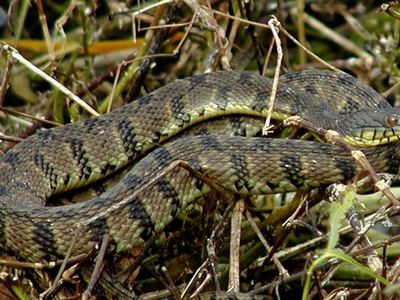
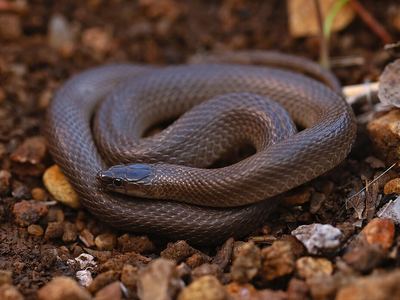
Other snakes recorded most in Texas
These eight account for 38% of all licensed snake records in Texas; the most recorded, the western ribbon snake, alone for 6%.
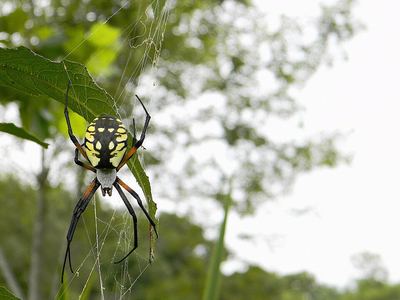
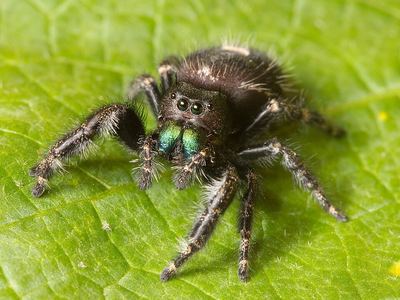
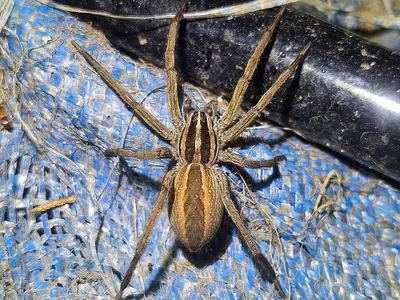
Other spiders recorded most in Texas
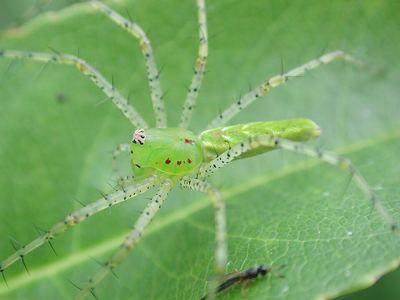
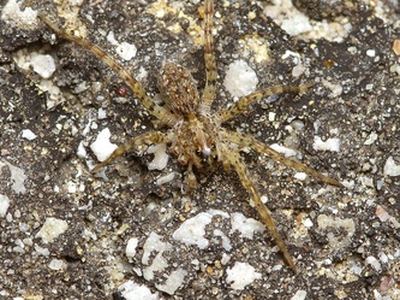
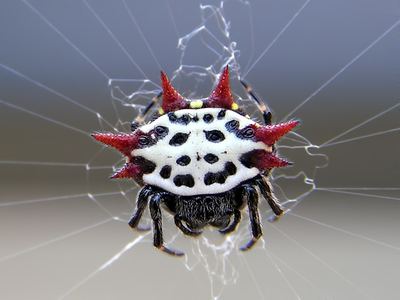
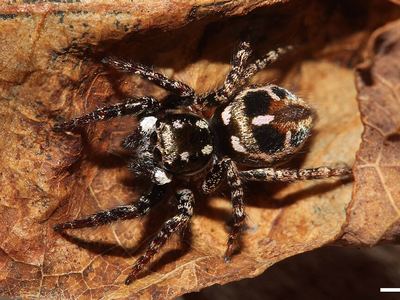
These eight account for 28% of all licensed spider records in Texas; the most recorded, the black-and-yellow argiope, alone for 7%.
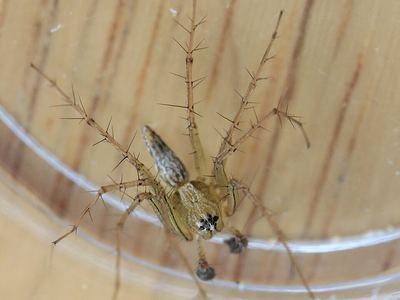
When venomous snakes are out in Texas
Observation records of venomous snakes in Texas run mostly March through October, peaking in May with 17% of them. Winter (December to February) holds 4% of the records.
Season of each venomous snake
| Species | Main season | Peak month | Winter share | Observation records |
|---|---|---|---|---|
| Western diamondback rattlesnake | March through October | April | 3% | 730 |
| Eastern copperhead | March through October | April | 3% | 245 |
| Northern cottonmouth | March through November | May | 7% | 524 |
| Texas coral snake | March through November | April | 6% | 224 |
| Prairie rattlesnake | April through September | July | 0% | 52 |
| Eastern black-tailed rattlesnake | April through October | August | 3% | 71 |
| Broad-banded copperhead | March through October | May | 3% | 274 |
| Mohave rattlesnake | June through October | June | 0% | 45 |
| Rock rattlesnake | May through September | June | 0% | 32 |
| Timber rattlesnake | April through October | September | 3% | 78 |
When spiders are most active in Texas
Observation records of spiders in Texas run mostly March through November, peaking in April with 13% of them. Winter (December to February) holds 9% of the records.
When scorpions are out in Texas
Observation records of scorpions in Texas run mostly March through November, peaking in April with 17% of them. Winter (December to February) holds 9% of the records.
Counties with the most venomous snake records
Brewster County has the most records of venomous snakes in Texas, 438, most of them of the western diamondback rattlesnake. El Paso County and Jeff Davis County follow.
| # | County | Records | Most recorded there |
|---|---|---|---|
| 1 | Brewster County | 438 | Western diamondback rattlesnake |
| 2 | El Paso County | 274 | Western diamondback rattlesnake |
| 3 | Jeff Davis County | 269 | Western diamondback rattlesnake |
| 4 | Harris County | 241 | Northern cottonmouth |
| 5 | Terrell County | 224 | Eastern copperhead |
| 6 | Travis County | 212 | Western diamondback rattlesnake |
| 7 | Brazos County | 182 | Eastern copperhead |
| 8 | Presidio County | 165 | Western diamondback rattlesnake |
| 9 | Hudspeth County | 155 | Mohave rattlesnake |
| 10 | Culberson County | 134 | Western diamondback rattlesnake |
Where in Texas are snakes recorded most?
Records are spread widely: even the top five counties, led by Travis County, hold only 17% of them. 254 of Texas's 254 counties have at least one licensed snake record.
| # | County | Records | Share |
|---|---|---|---|
| 1 | Travis County | 2,003 | 4.9% |
| 2 | Brewster County | 1,560 | 3.8% |
| 3 | Harris County | 1,373 | 3.3% |
| 4 | Brazos County | 1,054 | 2.6% |
| 5 | El Paso County | 1,026 | 2.5% |
| 6 | Jeff Davis County | 937 | 2.3% |
| 7 | Val Verde County | 853 | 2.1% |
| 8 | Bexar County | 708 | 1.7% |
| 9 | Hudspeth County | 679 | 1.7% |
| 10 | Palo Pinto County | 646 | 1.6% |
| 11 | Dallas County | 606 | 1.5% |
| 12 | Terrell County | 566 | 1.4% |
Texas counties with their own page: Archer County, Bastrop County, Bexar County, Bosque County, Brazoria County, Brazos County, Brewster County, Burnet County, Cameron County, Chambers County, Collin County, Comal County, Culberson County, Dallas County, Denton County, El Paso County, Erath County, Fort Bend County, Harris County, Hays County, Hidalgo County, Hudspeth County, Hutchinson County, Jeff Davis County, Lubbock County, McLennan County, Milam County, Montgomery County, Palo Pinto County, Parker County, Presidio County, Tarrant County, Terrell County, Tom Green County, Travis County, Val Verde County, Wichita County, Williamson County and Wilson County.
Are there poisonous snakes in Texas?
Yes. Texas has twelve venomous snake species on its list, the kind people usually call poisonous: western diamondback rattlesnake, eastern copperhead, northern cottonmouth, Texas coral snake, prairie rattlesnake, eastern black-tailed rattlesnake, broad-banded copperhead, Mohave rattlesnake, rock rattlesnake, western massasauga, timber rattlesnake and pygmy rattlesnake. Strictly, snakes are venomous (they inject venom), not poisonous (harmful to eat or touch).
Are there rattlesnakes in Texas?
Yes. Eight species are on the Texas list: the western diamondback rattlesnake, the prairie rattlesnake, the eastern black-tailed rattlesnake, the Mohave rattlesnake, the rock rattlesnake, the western massasauga, the timber rattlesnake and the pygmy rattlesnake, with 4,603 licensed records between them. Most licensed records of the western diamondback rattlesnake come from Brewster County, El Paso County and Kent County.
Are there copperheads in Texas?
Yes. Two species are on the Texas list: the eastern copperhead and the broad-banded copperhead, with 1,562 licensed records between them. Most licensed records of the eastern copperhead come from Brazos County, Terrell County and Wharton County.
Are there cottonmouths (water moccasins) in Texas?
Yes. One species is on the Texas list: the northern cottonmouth, with 1,025 licensed records. Most licensed records of the northern cottonmouth come from Harris County, Denton County and Hardin County.
Are there coral snakes in Texas?
Yes. One species is on the Texas list: the Texas coral snake, with 571 licensed records. Most licensed records of the Texas coral snake come from Travis County, Harris County and Brazos County.
Western diamondback rattlesnake (Crotalus atrox)
Texas has 2,667 licensed records of the western diamondback rattlesnake, which ranks the state 1st of the 7 states where it reaches our threshold. Its observation records in Texas run mostly March through October, peaking in April; most licensed records come from Brewster County, El Paso County and Kent County. Range in other states and photos: Western diamondback rattlesnake profile.
Eastern copperhead (Agkistrodon contortrix)
Texas has 1,188 licensed records of the eastern copperhead, which ranks the state 2nd of the 27 states where it reaches our threshold. Its observation records in Texas run mostly March through October, peaking in April; most licensed records come from Brazos County, Terrell County and Wharton County. Range in other states and photos: Eastern copperhead profile.
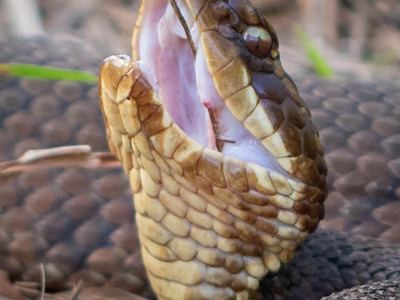
Northern cottonmouth (Agkistrodon piscivorus)
Texas has 1,025 licensed records of the northern cottonmouth, which ranks the state 1st of the 16 states where it reaches our threshold. Its observation records in Texas run mostly March through November, peaking in May; most licensed records come from Harris County, Denton County and Hardin County. Range in other states and photos: Northern cottonmouth profile.
Texas coral snake (Micrurus tener)
Texas has 571 licensed records of the Texas coral snake, which ranks the state 1st of the 2 states where it reaches our threshold. Its observation records in Texas run mostly March through November, peaking in April; most licensed records come from Travis County, Harris County and Brazos County. Range in other states and photos: Texas coral snake profile.
Prairie rattlesnake (Crotalus viridis)
Texas has 476 licensed records of the prairie rattlesnake, which ranks the state 4th of the 14 states where it reaches our threshold. Its observation records in Texas run mostly April through September, peaking in July; most licensed records come from El Paso County, Randall County and Andrews County. Range in other states and photos: Prairie rattlesnake profile.
Eastern black-tailed rattlesnake (Crotalus ornatus)
Texas has 394 licensed records of the eastern black-tailed rattlesnake, which ranks the state 1st of the 2 states where it reaches our threshold. Its observation records in Texas run mostly April through October, peaking in August; most licensed records come from Brewster County, Jeff Davis County and El Paso County. Range in other states and photos: Eastern black-tailed rattlesnake profile.
Broad-banded copperhead (Agkistrodon laticinctus)
Texas has 374 licensed records of the broad-banded copperhead, which ranks the state 1st of the 3 states where it reaches our threshold. Its observation records in Texas run mostly March through October, peaking in May; most licensed records come from Wilson County, Dallas County and Tarrant County. Range in other states and photos: Broad-banded copperhead profile.
Mohave rattlesnake (Crotalus scutulatus)
Texas has 290 licensed records of the Mohave rattlesnake, which ranks the state 3rd of the 6 states where it reaches our threshold. Its observation records in Texas run mostly June through October, peaking in June; most licensed records come from Brewster County, Hudspeth County and Jeff Davis County. Range in other states and photos: Mohave rattlesnake profile.
Rock rattlesnake (Crotalus lepidus)
Texas has 255 licensed records of the rock rattlesnake, which ranks the state 1st of the 3 states where it reaches our threshold. Its observation records in Texas run mostly May through September, peaking in June; most licensed records come from Jeff Davis County, El Paso County and Terrell County. Range in other states and photos: Rock rattlesnake profile.
Western massasauga (Sistrurus tergeminus)
Texas has 237 licensed records of the western massasauga, which ranks the state 2nd of the 8 states where it reaches our threshold. Most of its licensed records in Texas come from Archer County, King County and Tarrant County. Range in other states and photos: Western massasauga profile.
Timber rattlesnake (Crotalus horridus)
Texas has 188 licensed records of the timber rattlesnake, which ranks the state 5th of the 30 states where it reaches our threshold. Its observation records in Texas run mostly April through October, peaking in September; most licensed records come from Brazos County, Tyler County and Jasper County. Range in other states and photos: Timber rattlesnake profile.
Pygmy rattlesnake (Sistrurus miliarius)
Texas has 96 licensed records of the pygmy rattlesnake, which ranks the state 3rd of the 11 states where it reaches our threshold. Most of its licensed records in Texas come from Anderson County, Harris County and Brazoria County. Range in other states and photos: Pygmy rattlesnake profile.
Harmless lookalikes in Texas
Many snakes and spiders taken for venomous ones are harmless species with a similar look. These are the usual confusions, with each species' licensed records in Texas.
What looks like a copperhead in Texas
Copperheads: 1,562 licensed records in Texas. Harmless species often taken for them are also on the state list: plain-bellied watersnake (2,226), eastern hog-nosed snake (456), corn snake (202), eastern milksnake (148) and central plains milksnake (65). Together they have 3,116 licensed records, and the lookalikes are recorded 2.0 times as often.
What looks like a cottonmouth in Texas
Cottonmouths: 1,025 licensed records in Texas. Harmless species often taken for them are also on the state list: plain-bellied watersnake (2,226), diamondback water snake (1,612), southern watersnake (814), green water snake (141) and mud snake (118). Together they have 4,930 licensed records, and the lookalikes are recorded 5 times as often.
What looks like a rattlesnake in Texas
Rattlesnakes: 4,603 licensed records in Texas. Harmless species often taken for them are also on the state list: gopher snake (1,440), Great Plains rat snake (709), eastern hog-nosed snake (456) and plains hog-nosed snake (289). Together they have 2,894 licensed records, and here the venomous species are the more recorded side, 1.6 to 1.
What looks like a coral snake in Texas
Coral snakes: 571 licensed records in Texas. Harmless species often taken for them are also on the state list: long-nosed snake (725), eastern milksnake (148), central plains milksnake (65), Mexican milksnake (36) and scarlet snake (15). Together they have 989 licensed records, and the lookalikes are recorded 1.7 times as often.
What looks like a widow spider in Texas
Widow spiders: 468 licensed records in Texas. Harmless species often taken for them are also on the state list: triangulate bud spider (400), common house spider (58) and false black widow (2). Together they have 460 licensed records, and the two sides are recorded about equally.
What looks like a recluse spider in Texas
Recluse spiders: 186 licensed records in Texas. Harmless species often taken for them are also on the state list: southern house spider (67) and longbodied cellar spider (24). Together they have 91 licensed records, and here the venomous species are the more recorded side, 2.0 to 1.
How Texas compares
By count of venomous snake species, Texas ranks 2nd of 50 states. Nationally, Arizona leads with 14 species; five list none.
Texas lists more venomous snake species than any state it borders (Texas: 12 species; New Mexico 10, Oklahoma 8, Arkansas 5, Louisiana 5).
Venomous snakes listed next door but not in Texas: the Arizona black rattlesnake (New Mexico); the black-tailed rattlesnake (New Mexico); the ridge-nosed rattlesnake (New Mexico). Listed next door and recorded in Texas too, but too few times to list (records of any license): the Sonoran coralsnake, recorded here only one time (listed in New Mexico). The most widely shared are the eastern copperhead, the northern cottonmouth, the pygmy rattlesnake, the timber rattlesnake and the western diamondback rattlesnake, each listed in three of the four bordering states.
Are there poisonous spiders in Texas?
Does Texas have black widows?
Yes. Four widow species are on the Texas list: the southern black widow (200 records), the western black widow (164 records), the brown widow (91 records) and the northern black widow (13 records).
Does Texas have brown recluse spiders?
Yes. The brown recluse is on the Texas list, with 112 licensed records. Most of its licensed records come from Denton County, Dallas County and Randall County.
Southern black widow (Latrodectus mactans)
Texas has 200 licensed records of the southern black widow, which ranks the state 1st of the 22 states where it reaches our threshold. Its observation records in Texas run through most of the year, peaking in July; most licensed records come from Dallas County, Travis County and Hidalgo County. Range in other states and photos: Southern black widow profile.
Western black widow (Latrodectus hesperus)
Texas has 164 licensed records of the western black widow, which ranks the state 4th of the 18 states where it reaches our threshold. Its observation records in Texas run mostly April through November, peaking in July; most licensed records come from Brewster County, Randall County and Briscoe County. Range in other states and photos: Western black widow profile.
Brown recluse (Loxosceles reclusa)
Texas has 112 licensed records of the brown recluse, which ranks the state 5th of the 16 states where it reaches our threshold. Its observation records in Texas run through most of the year, peaking in May; most licensed records come from Denton County, Dallas County and Randall County. Range in other states and photos: Brown recluse profile.
Brown widow (Latrodectus geometricus)
Texas has 91 licensed records of the brown widow, which ranks the state 3rd of the 11 states where it reaches our threshold. Its observation records in Texas run mostly April through November, peaking in October; most licensed records come from Bexar County, Harris County and Hidalgo County. Range in other states and photos: Brown widow profile.
Texas recluse (Loxosceles devia)
Texas has 59 licensed records of the Texas recluse, the only state where it reaches our listing threshold. Most of its licensed records in Texas come from Hidalgo County, Edwards County and Starr County. Range in other states and photos: Texas recluse profile.
Big Bend recluse (Loxosceles blanda)
Texas has 14 licensed records of the Big Bend recluse, the only state where it reaches our listing threshold.
Northern black widow (Latrodectus variolus)
Texas has 13 licensed records of the northern black widow, which ranks the state 13th of the 30 states where it reaches our threshold. Range in other states and photos: Northern black widow profile.
Apache recluse (Loxosceles apachea)
Texas has 1 licensed record of the Apache recluse, which ranks the state 2nd of the 2 states where it reaches our threshold.
More for Texas
GBIF records read 2026-09-29. Listed: any license. Counted: CC0/CC BY only. How we count.